
Many types of dietary fiber pass through the human digestive system without being broken down by human enzymes. Instead of being wasted, these fibers become an important energy source for beneficial gut bacteria.
This process explains why dietary fiber plays a central role in digestive and metabolic health, even though the body itself cannot digest it directly.
How Gut Bacteria Process Dietary Fiber
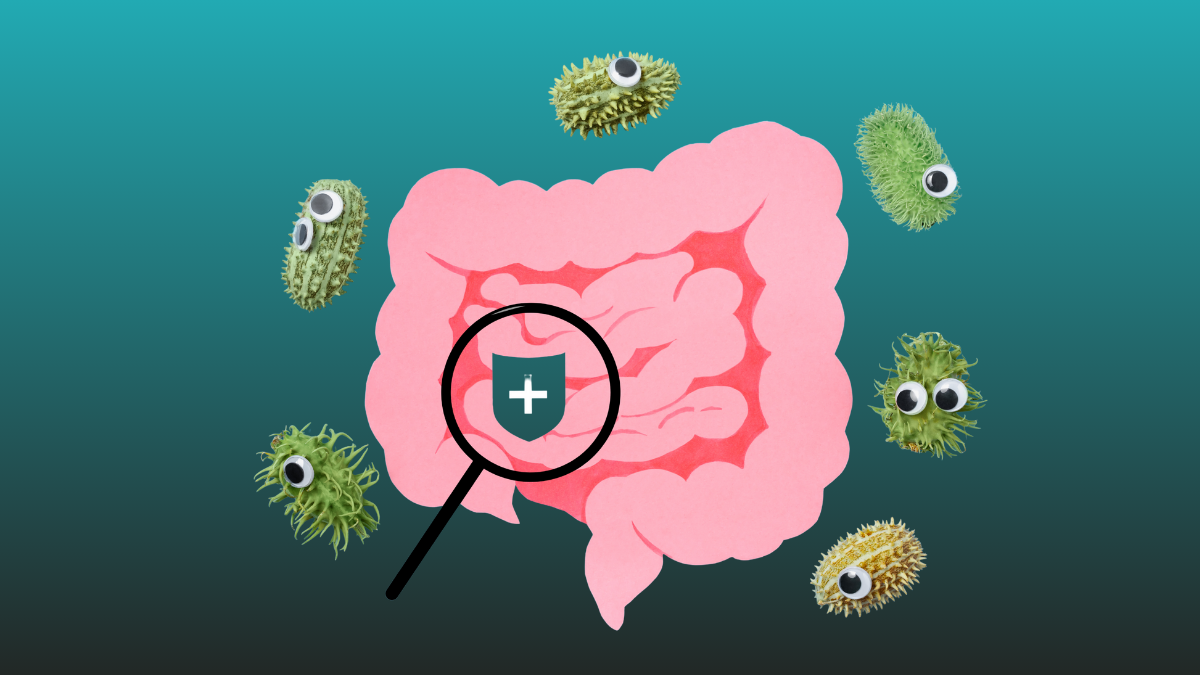
Gut bacteria ferment certain types of dietary fiber once they reach the large intestine. During fermentation, these microorganisms break down fiber into smaller compounds that the body can use.
One of the most important outcomes of this process is the production of short-chain fatty acids. These compounds support intestinal function and contribute to overall metabolic balance.
Why This Process Matters for Gut Health
Fiber fermentation helps maintain a balanced gut environment. It supports beneficial bacterial populations while contributing to digestive stability over time.
Research has shown that diets rich in diverse fiber sources are often associated with greater microbial diversity, which is considered a key marker of gut health.
Scientific literature from the National Institutes of Health describes how gut bacteria interact with dietary fiber through fermentation and metabolite production, highlighting the importance of fiber-rich dietary patterns.
Fiber, Prebiotics, and Daily Nutrition
Not all fibers act the same way. Certain fibers function as prebiotics, meaning they specifically nourish beneficial gut bacteria.
This relationship between fiber and gut bacteria is explored in more detail in Dietary Fiber and Prebiotics: Gut Health Explained, which examines how different fiber types support microbial activity.
Gut Health as Part of Overall Wellness
Because gut bacteria influence digestion, metabolism, and nutrient processing, fiber fermentation connects gut health to broader wellness outcomes.
A deeper overview of this connection is available in What Is the Gut Microbiota and Why It Matters for Overall Health, which explains how the gut microbiome supports multiple systems in the body.
Final Takeaway
Gut bacteria play a vital role in breaking down dietary fiber that the human body cannot digest on its own. Through fermentation, these microorganisms transform fiber into compounds that support digestive balance and long-term health.
Understanding this process helps explain why nutrition science consistently emphasizes fiber-rich dietary patterns as part of overall wellness.
n discussions about fiber and gut health, supplements are sometimes mentioned as an additional source of fermentable compounds within broader nutrition strategies. Educational resources may reference formulations designed to provide prebiotic fiber in a convenient format.
👉 GutOptim prebiotic fiber supplement review
This review explains how prebiotic fiber supplements are formulated and how they fit into gut health education without replacing a balanced diet.
This content is intended for educational and informational purposes only and does not replace professional medical advice, diagnosis, or treatment.