
Gut health has become a central topic in modern nutrition research. Beyond digestion, the gastrointestinal system is now recognized as a complex biological network that interacts with metabolism, immune regulation, and overall physiological balance. Within this system, dietary fiber and prebiotics play a foundational role, supported by decades of scientific investigation.
Research on the gut microbiota helps explain how dietary fiber and prebiotics influence digestive balance and long-term physiological processes. You can explore this topic further in our detailed article on gut microbiota and overall health.
Dietary Fiber and Prebiotics: An Overview
Dietary fiber and prebiotics are plant-derived carbohydrates that resist digestion in the upper gastrointestinal tract. Instead of being broken down into energy, they reach the large intestine, where they interact with gut microorganisms and support essential biological processes.
While all prebiotics are fibers, not all fibers act as prebiotics. This distinction is central to understanding how different types of fiber contribute to gut health.
What Dietary Fiber Is and How It Works
Dietary fiber refers to the parts of plant foods that the human digestive system cannot fully digest. Fiber is generally classified into soluble and insoluble types. Soluble fiber dissolves in water and forms a gel-like substance, while insoluble fiber adds bulk to stool and supports intestinal movement.
Soluble fibers are particularly relevant to gut health because they can be fermented by intestinal bacteria, contributing to microbial activity in the colon.
Prebiotics and Gut Microbiota Interaction
Prebiotics are a specific category of dietary fiber defined by their selective interaction with beneficial gut bacteria. Scientific consensus describes prebiotics as compounds that resist digestion, are fermented by gut microorganisms, and selectively stimulate the growth or activity of beneficial bacterial populations.
Common prebiotics include inulin, fructooligosaccharides, and galactooligosaccharides. Their primary role is to nourish existing bacteria rather than introduce new microorganisms into the gut.
Dietary Fiber Fermentation and Short-Chain Fatty Acids
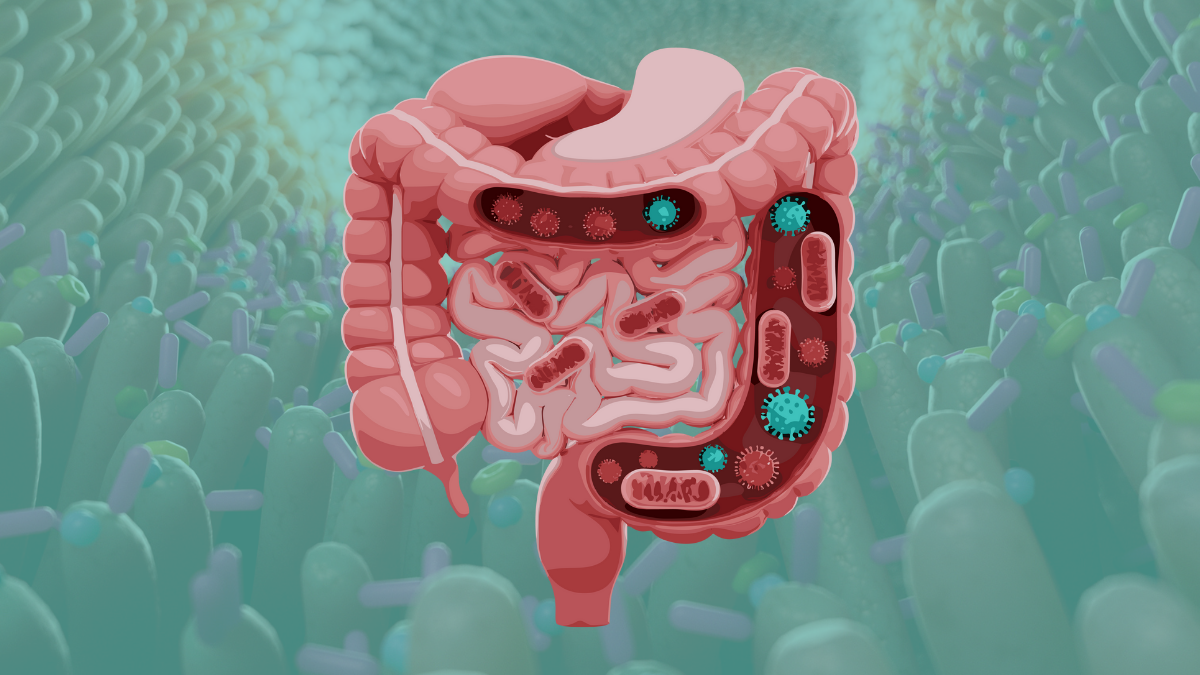
When dietary fiber and prebiotics reach the colon, they undergo fermentation by gut bacteria. This process produces short-chain fatty acids such as acetate, propionate, and butyrate.
Scientific studies suggest that these compounds support the intestinal environment by providing energy to colon cells and participating in metabolic and immune-related signaling pathways. Fermentation is one of the key mechanisms linking fiber intake to gut health in research literature.
What Scientific Research Says About Fiber and Prebiotics
A peer-reviewed scientific review available through PubMed Central examines how dietary fiber and prebiotics influence gut microbiota composition and activity. The authors report consistent associations between higher fiber intake and beneficial shifts in microbial populations, particularly increases in bacteria such as Bifidobacterium and Lactobacillus.
The review emphasizes associations observed in population and clinical studies rather than direct medical claims, reflecting the broader scientific approach to nutrition research.
Full study reference:
https://pmc.ncbi.nlm.nih.gov/articles/PMC3705355/
Natural Food Sources of Prebiotic Fiber
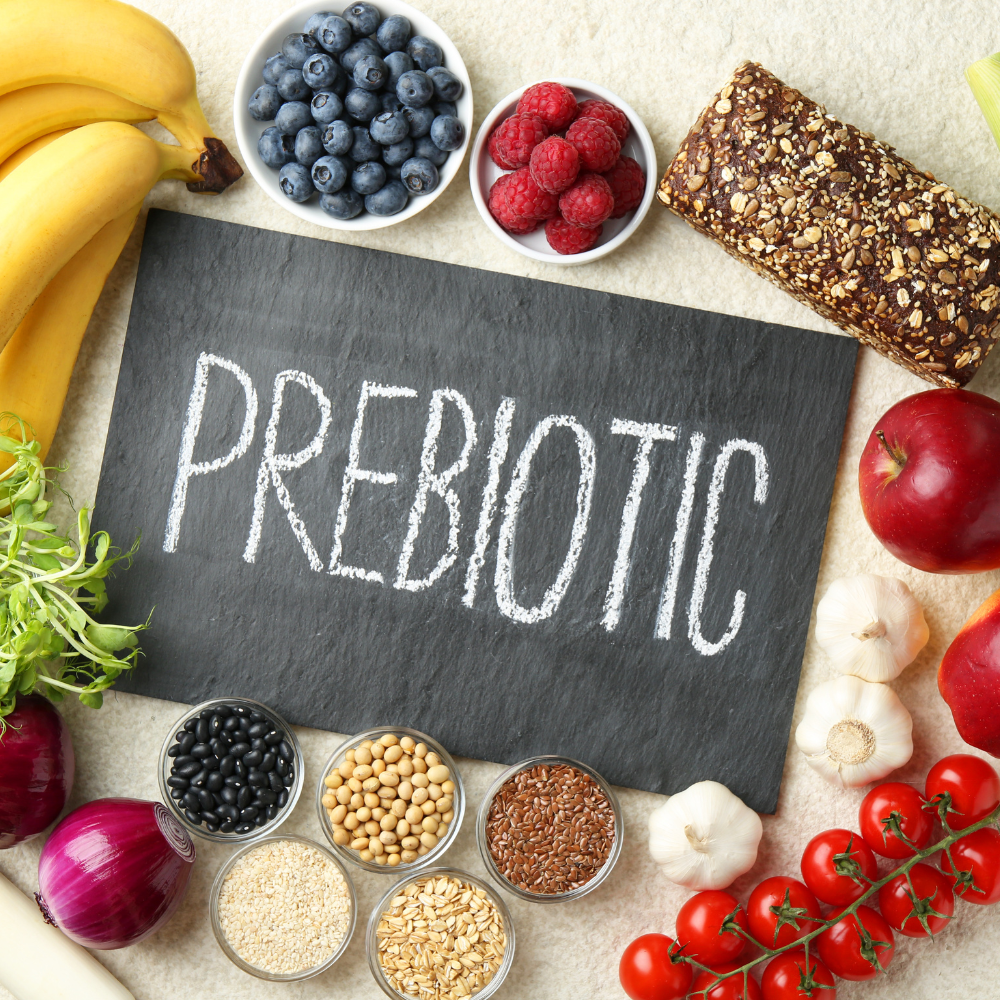
Prebiotic fibers occur naturally in many plant-based foods. Common sources include garlic, onions, leeks, asparagus, chicory root, bananas, and whole grains. Diets that emphasize plant diversity are consistently associated with higher fiber intake in nutritional studies.
Including a variety of fiber-rich foods contributes to microbial diversity and supports overall dietary quality.
Dietary Fiber, Prebiotics, and Long-Term Gut Health
Scientific literature consistently describes dietary fiber as a foundational component of long-term dietary patterns rather than a short-term intervention. Its effects depend on overall diet quality, lifestyle factors, and individual differences in gut microbiota composition.
For this reason, researchers highlight the importance of consistency and diversity in fiber intake over time rather than focusing on isolated dietary changes.
Final Perspective
Dietary fiber and prebiotics play a central role in supporting gut microbiota structure and activity. Scientific evidence suggests that they contribute to fermentation processes, microbial balance, and the production of biologically active compounds in the intestine.
Rather than representing a nutritional trend, fiber remains a fundamental element of how diet interacts with human biology and gut health.
This content is intended for educational and informational purposes only and does not replace professional medical advice, diagnosis, or treatment.