
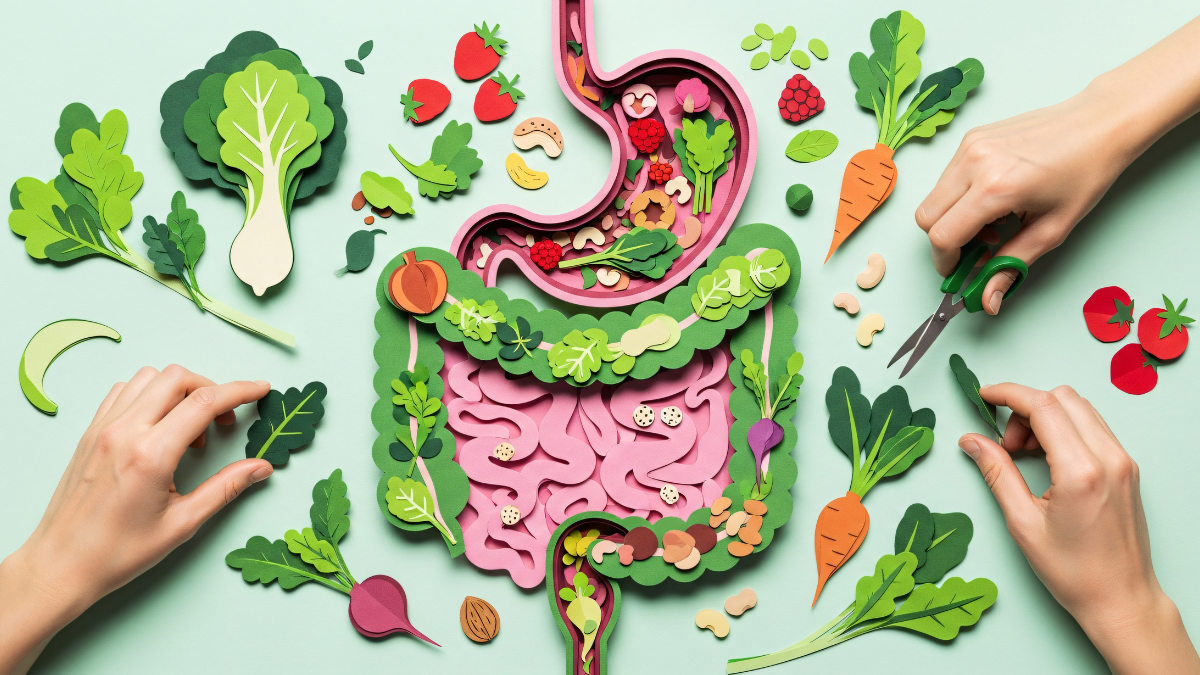
Dietary fiber and prebiotics play a central role in gut health and digestive balance. Modern nutrition science increasingly highlights how these compounds support the gut microbiome and influence digestion, metabolism, and long-term physiological stability.
Understanding how dietary fiber and prebiotics work helps explain why fiber intake is consistently associated with digestive resilience and microbial diversity.
What Is Dietary Fiber
Dietary fiber refers to plant-based compounds that resist digestion in the small intestine. Unlike carbohydrates that break down into sugars, fiber reaches the large intestine largely intact.
There, fiber becomes a key substrate for gut microorganisms. This interaction supports digestive processes that extend beyond basic nutrient absorption.
Understanding Prebiotics
Prebiotics represent a specific type of dietary fiber. They selectively stimulate the growth and activity of beneficial gut bacteria. Common prebiotic fibers include inulin, fructooligosaccharides, and resistant starches.
While all prebiotics are fibers, not all fibers act as prebiotics. Nutrition research focuses on how these compounds interact with the gut microbiome rather than on immediate digestive effects.
How Fiber and Prebiotics Support Gut Health
When dietary fiber and prebiotics reach the colon, gut bacteria ferment them. This fermentation process produces metabolites such as short-chain fatty acids.
These metabolites play a role in maintaining the gut environment and supporting communication between the digestive system and other physiological systems. Ongoing research continues to explore these mechanisms and their broader implications for health.
The Role of the Gut Microbiome in Fiber Fermentation
The gut microbiome relies on fermentable fibers as a primary energy source. A diverse microbial community allows for more efficient fermentation and metabolic interaction.
For a broader overview of how the gut microbiome functions and why it matters, readers can explore What Is the Gut Microbiome and Why It Matters for Overall Health.
Dietary Patterns and Fiber Intake
Traditional dietary patterns tend to include higher fiber intake than many modern diets. As a result, nutrition science emphasizes long-term dietary habits over short-term dietary changes.
Consistent intake of fiber-rich foods supports microbial stability and digestive balance more effectively than occasional increases in fiber consumption.
Fiber, Prebiotics, and Digestive Health Education
Educational discussions around gut health often include how fiber and prebiotics fit into broader nutritional strategies. These conversations focus on dietary quality, food diversity, and long-term habits.
Some readers also explore how fiber-based supplements are formulated to complement dietary intake. An educational example can be found in the 👉 GutOptim Supplement Review, which explains how prebiotic fiber supplements are designed from a digestive health perspective.
Scientific Perspective on Fiber and Prebiotics
Scientific literature continues to examine how dietary fiber and prebiotics influence microbial activity and metabolite production. These interactions remain an active area of research, particularly regarding their role in digestive and metabolic balance.
Peer-reviewed research available through the National Institutes of Health – scientific literature on dietary fiber and gut health provides deeper insight into these mechanisms.
Final Considerations
Dietary fiber and prebiotics serve as foundational components of gut health education. By supporting microbial activity and fermentation processes, these compounds contribute to digestive balance and long-term nutritional stability.
As research evolves, fiber-rich dietary patterns remain central to discussions around gut health and overall well-being.
This content is for informational and educational purposes only. It does not constitute medical advice, diagnosis, or treatment. Individual results may vary, and readers should consult a qualified healthcare professional before using dietary supplements.