

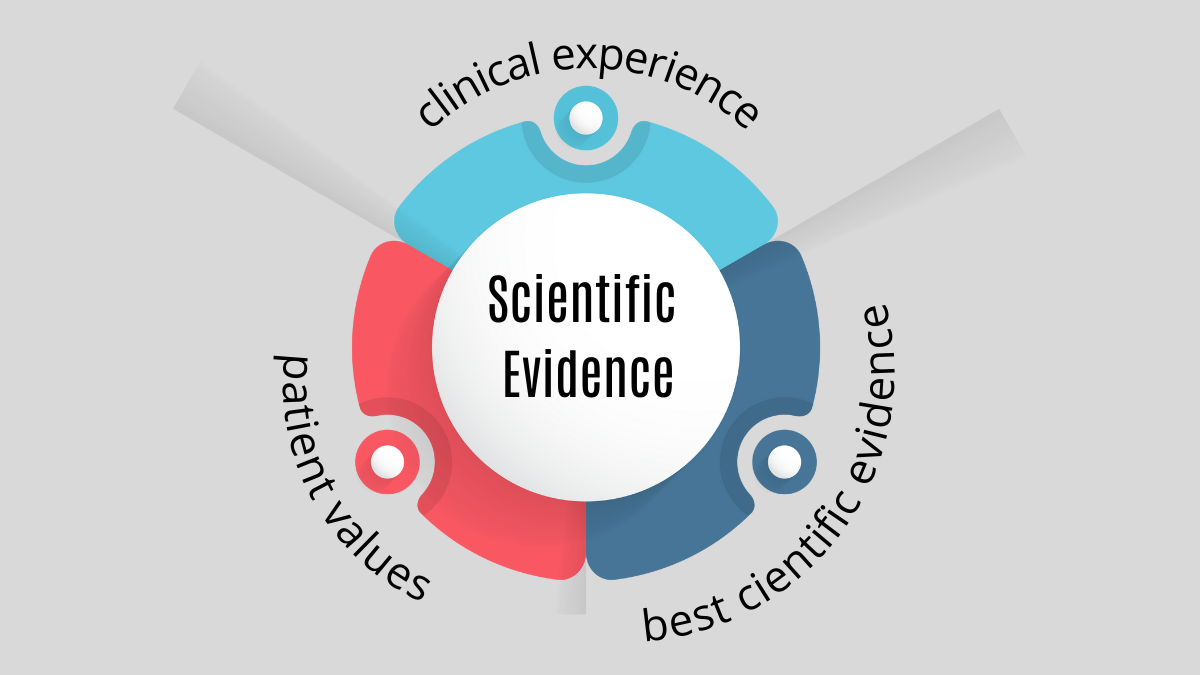
Health information is widely available online, but not all sources rely on scientific evidence. Evidence-based guides exist to help readers understand how health topics are evaluated using reliable research rather than opinions, trends, or unverified claims.
At YusHealth, evidence-based education is the foundation of how health information is created and shared. Our goal is to support informed understanding by explaining how scientific evidence is reviewed and interpreted in a clear and accessible way.
What Does “Evidence-Based” Mean in Health Education
In health education, the term “evidence-based” refers to information that is grounded in scientific research rather than anecdotal experience or unsupported statements. Evidence-based content draws from studies that follow established research methods and are reviewed by the scientific community.
This approach helps reduce misinformation and allows readers to understand health topics through data, patterns, and consensus rather than isolated claims.
Types of Scientific Evidence Used in Health Research
Health research includes different types of scientific evidence, each contributing to a broader understanding of how the body functions over time.
Observational studies examine patterns within populations, while clinical research explores how specific variables interact under controlled conditions. Systematic reviews and meta-analyses evaluate multiple studies together, helping identify consistent findings across larger datasets.
Each type of evidence has strengths and limitations, which is why health education focuses on patterns rather than single outcomes.
How Scientific Evidence Is Evaluated
Evaluating scientific evidence involves more than reading study conclusions. Researchers examine study design, population size, duration, and consistency with existing research.
Reliable health education considers whether findings are supported by multiple studies and whether conclusions align with broader scientific understanding. Context is essential, as individual studies may not apply equally to all populations or life stages.
Why Evidence Matters for Long-Term Health Understanding
Evidence-based health information supports better decision-making over time. When health topics are grounded in research, readers gain a clearer picture of what is known, what remains uncertain, and how lifestyle factors influence well-being.
This approach encourages realistic expectations and promotes long-term thinking rather than quick fixes or short-term trends.
Our Educational Approach at YusHealth
YusHealth is built on an educational-first philosophy. Content focuses on explaining health concepts clearly while separating education from product reviews or commercial discussions.
Health articles are designed to support understanding, not replace professional medical advice. Supplement-related content is published separately and clearly identified to maintain transparency and trust.
Trusted Scientific Sources We Reference
To support evidence-based education, YusHealth relies on established scientific and public health institutions, including:
- National Institutes of Health (NIH)
- PubMed Central
- World Health Organization (WHO)
These sources provide peer-reviewed research and public health guidance that inform long-term health education.
Final Considerations
Evidence-based guides help readers navigate health information with greater confidence. By focusing on scientific research, context, and long-term patterns, health education becomes a tool for understanding rather than persuasion.
At YusHealth, evidence-based education supports clarity, transparency, and informed exploration of health topics across all stages of life.
This content is intended for educational and informational purposes only and does not replace professional medical advice, diagnosis, or treatment.