

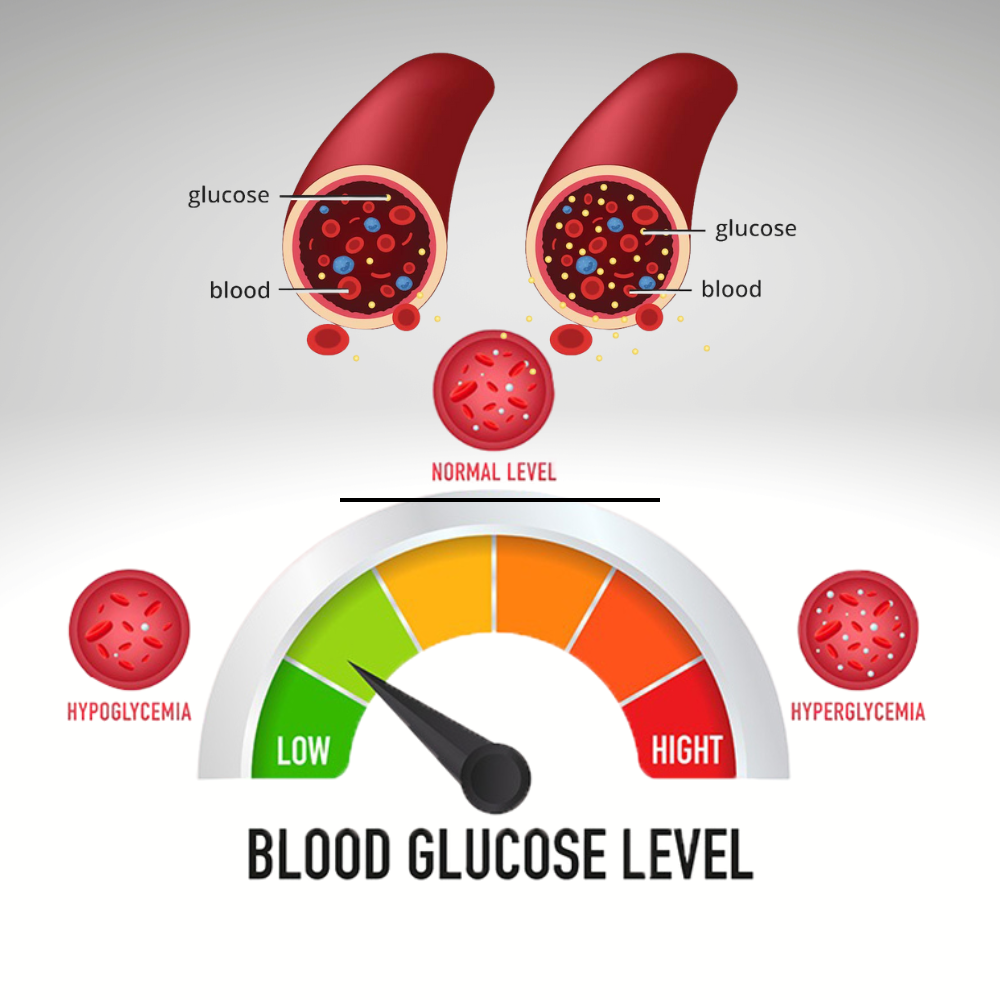
When it comes to blood sugar balance, information is everywhere — and so is confusion. One day sugar is blamed for everything, the next day stress takes the spotlight, followed by sleep, carbohydrates, or supplements. With so many mixed messages, separating fact from assumption becomes increasingly difficult.
Understanding what truly supports blood sugar balance requires looking beyond headlines and quick explanations. It starts with recognizing how the body responds to daily habits, not isolated choices made once in a while.
Fact or Fake? Blood sugar balance depends only on what you eat.
Fake.
Nutrition plays an important role, but blood sugar balance is influenced by far more than food alone. Sleep quality, stress levels, hydration, physical activity, and meal timing all interact to affect how glucose behaves in the body. This is why two people can eat similar meals and experience completely different energy levels afterward.
Why blood sugar balance is more complex than it seems
The body constantly adjusts to internal and external signals. Hormones released during stress, lack of sleep, or prolonged inactivity can influence glucose regulation even without noticeable dietary changes. Over time, these small influences accumulate, shaping how the body manages energy throughout the day.
Blood sugar balance reflects patterns, not single decisions. Focusing on one factor while ignoring others often leads to frustration and confusion.
Fact or Fake? Avoiding sugar automatically prevents blood sugar spikes.
Fake.
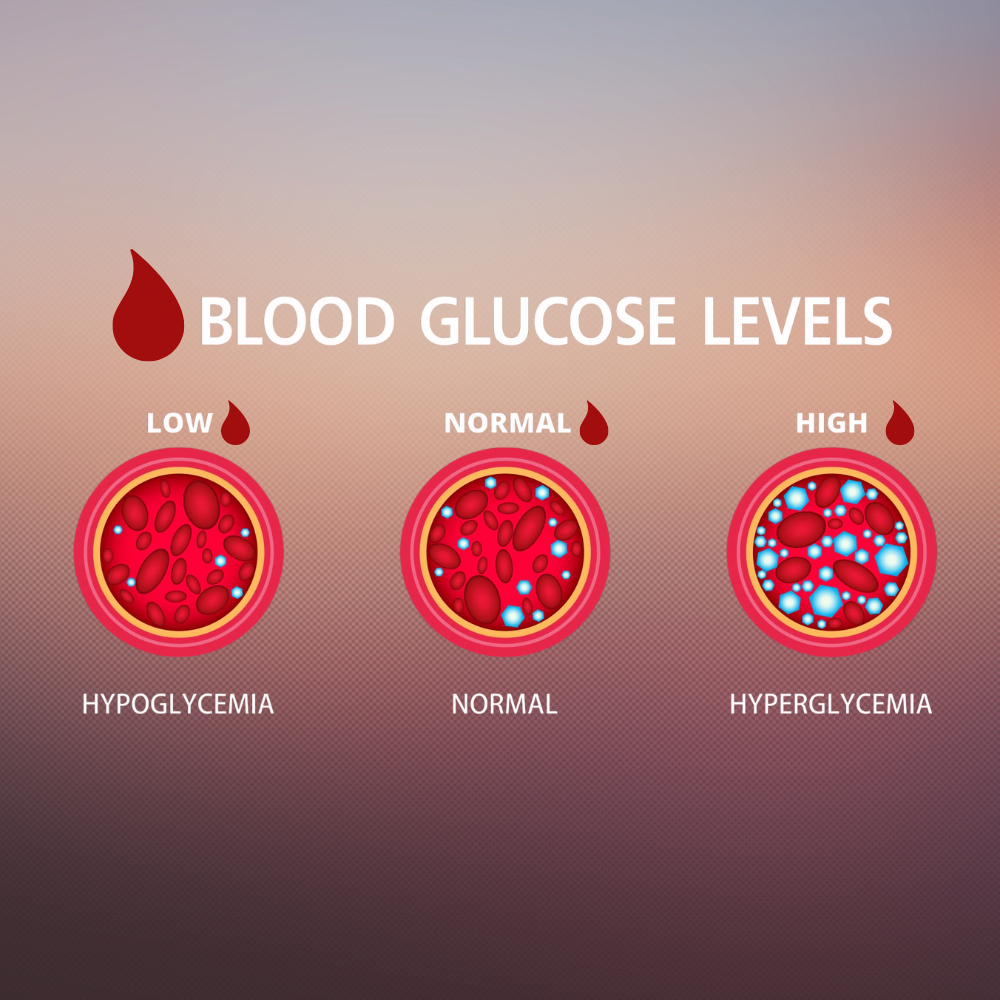
While reducing excessive sugar intake may help, blood sugar spikes can still occur due to refined carbohydrates, low fiber meals, dehydration, poor sleep, or chronic stress. Many people experience unexpected blood sugar spikes even when they believe they are making healthy choices.
This misunderstanding reinforces the idea that balance is not achieved by eliminating one ingredient, but by understanding how different factors work together.
The role of daily habits in glucose regulation
Blood sugar is dynamic. It changes throughout the day in response to how the body moves, rests, and recovers. Regular meals, balanced macronutrients, consistent sleep schedules, hydration, and movement all contribute to steadier energy levels.
Small, sustainable habits tend to have a greater impact than extreme restrictions. Consistency matters more than perfection when it comes to supporting glucose balance.
Fact or Fake? If symptoms are subtle, blood sugar imbalance is unlikely.
Fake.
Many early signs of imbalance appear quietly. Fatigue, brain fog, mood changes, or cravings are often dismissed as normal stress or busy routines. However, these subtle signals may reflect underlying fluctuations developing over time.
Learning to recognize patterns helps build awareness before imbalance feels disruptive.
Where supplements fit into the conversation
Some people explore nutritional supplements as part of a broader wellness routine. These products are typically designed to support metabolic processes alongside healthy habits. Supplements are not standalone solutions and work best when combined with lifestyle awareness, balanced nutrition, and consistency.
Understanding how supplements are positioned allows individuals to make informed choices with realistic expectations.
Fact or Fake? Quick fixes are the fastest way to restore balance.
Fake.
Sustainable blood sugar balance rarely comes from shortcuts. Long-term stability is built through education, routine, and gradual adjustments that fit real life. When people shift from chasing quick answers to understanding patterns, clarity replaces confusion.
The takeaway
Blood sugar balance is shaped by daily choices that often go unnoticed. Rather than focusing on isolated factors, looking at habits as a whole provides a clearer and more empowering perspective.
The most effective approach is not perfection, but awareness — learning how the body responds over time and making thoughtful adjustments along the way. Instead of asking, “What should I cut out?”, a more helpful question may be: Which daily habits are quietly supporting — or disrupting — my blood sugar balance?
👇 Continue exploring our educational content on blood sugar balance
Editorial Note: This article is for educational purposes only and does not replace professional medical advice.