
Fiber and probiotics play a central role in digestive health. Together, they help support gut balance, digestive comfort, and long-term microbiota stability. When people understand how fiber and probiotics work, they make better choices that support digestion naturally.
This Fiber & Probiotics page belongs to the Digestive Health Hub and focuses on education. Its purpose is to explain how fiber and probiotics interact with the gut and why both matter for digestive wellness.
The Role of Fiber in Digestive Health
Dietary fiber supports digestion by moving through the digestive system without full breakdown. Instead of being absorbed, fiber helps regulate bowel movement and supports overall gut function.
Fiber promotes regular digestion, improves stool consistency, and contributes to digestive comfort. Certain types of fiber also feed beneficial gut bacteria, which helps maintain a balanced gut microbiota.
Nutrition experts classify fiber into two main types. Soluble fiber dissolves in water and forms a gel-like substance in the gut. Insoluble fiber adds bulk and supports intestinal movement. Each type supports digestive health in a different way.
Readers who want deeper insight into gut bacteria can explore our Gut Microbiota Guides, which explain how fiber intake influences microbial diversity over time.
What Are Probiotics?
Probiotics are live microorganisms commonly known as beneficial bacteria. When people consume probiotics through food or supplements, these microorganisms support gut microbiota balance.
These bacteria interact with the digestive system and help maintain gut barrier function and microbial stability. Fermented foods naturally contain probiotics, while supplements provide them in a concentrated form.
Probiotics work best as part of a broader digestive health approach. A balanced diet and adequate fiber intake help create the right environment for probiotics to function effectively.
How Fiber and Probiotics Work Together
Fiber and probiotics support gut health through complementary actions. Fiber nourishes beneficial bacteria already present in the gut, while probiotics introduce additional helpful microorganisms.
Adequate fiber intake helps probiotics thrive in the digestive system. This interaction highlights why digestive health requires a system-based approach instead of a single solution.
This concept aligns with the educational perspective shared in our Digestive Health Articles, where digestion is explored through diet, lifestyle, and gut function.
Food Sources of Fiber and Probiotics
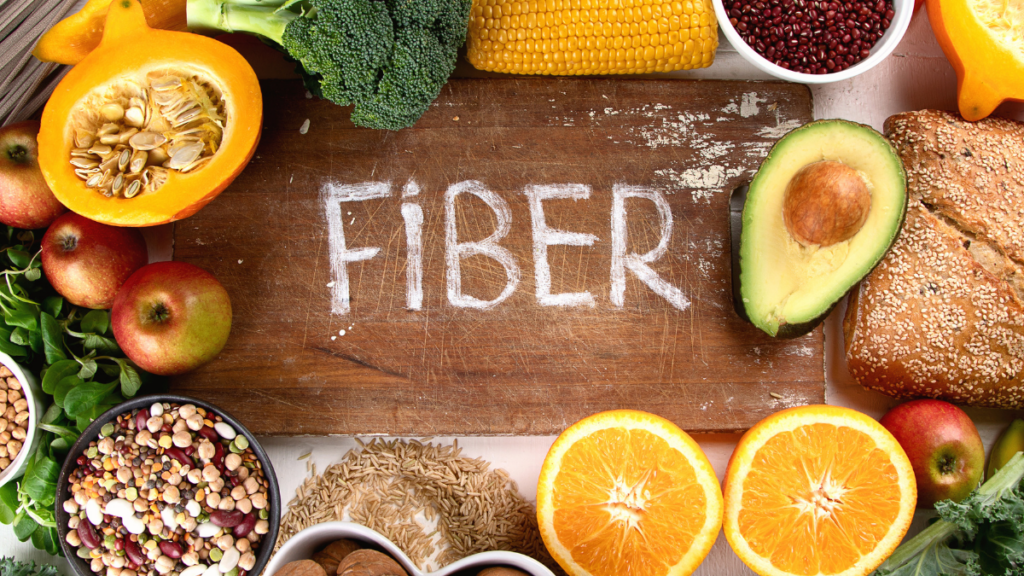
Many plant-based foods provide dietary fiber. Fruits, vegetables, whole grains, legumes, nuts, and seeds all contribute to fiber intake and gut diversity.
Fermented foods supply natural probiotics. Yogurt, kefir, sauerkraut, kimchi, and other cultured products help support gut balance when consumed regularly.
Dietary variety plays a key role in digestive health. A diverse diet supports a more resilient gut microbiota.
Fiber, Probiotics, and Digestive Comfort
Digestive discomfort often appears when gut balance shifts. Fiber supports regular digestion, while probiotics help maintain microbial stability.
Gradual dietary changes reduce the risk of temporary discomfort. Increasing fiber slowly and staying hydrated helps the digestive system adapt more easily.
Some readers also explore additional options discussed in our Related Supplements section as part of a broader digestive health routine.
Evidence-Based Digestive Health Education
Reliable digestive health information should rely on trusted sources. Organizations such as the National Institutes of Health provide research-based guidance on fiber, probiotics, and gut health.
Educational resources help readers distinguish evidence-based practices from unsupported claims.
Building Long-Term Gut Health
Long-term digestive health develops through consistent habits. Balanced nutrition, regular meals, hydration, and stress management all support gut function.
This Fiber & Probiotics page encourages informed decisions rather than quick fixes. Digestive health improves through steady choices that support the gut over time.