
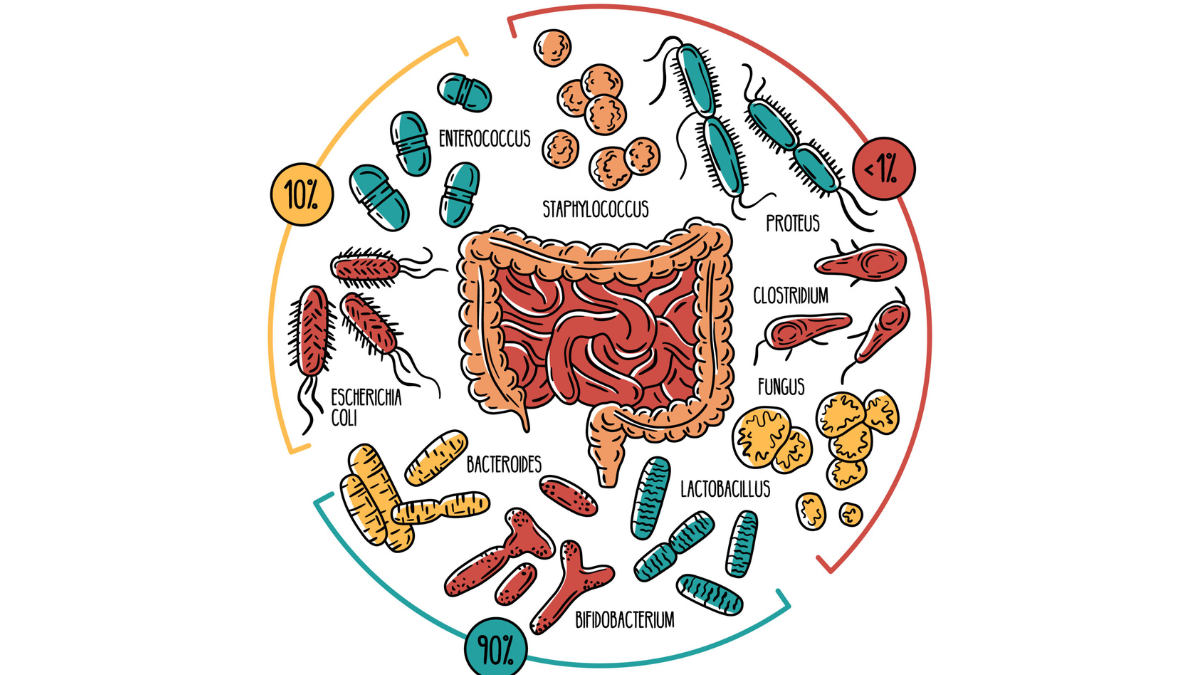
The gut microbiome refers to the vast community of microorganisms that live in the human digestive tract. These microorganisms play an active role in digestion, metabolism, immune regulation, and overall physiological balance throughout life.
Understanding what the gut microbiota is and how it functions helps explain why modern nutrition science increasingly focuses on dietary patterns and long-term habits that support microbial diversity and stability.
Defining the Gut Microbiome
The gut microbiome refers to the trillions of microorganisms that live primarily in the large intestine. These organisms include bacteria, archaea, and fungi. Each individual hosts a unique microbial profile shaped by genetics, diet, environment, and lifestyle factors.
These microorganisms interact continuously with the human body. They help break down compounds that human digestive enzymes cannot process, contribute to nutrient metabolism, and participate in biological signaling processes that extend beyond digestion.
How the Gut Microbiota Develops Over Time
The gut microbiota begins forming early in life and continues to evolve over time. Early feeding practices, dietary habits, antibiotic exposure, and lifestyle choices all influence microbial composition.
Research often associates greater microbial diversity with digestive resilience and metabolic balance. In contrast, reduced diversity has been observed alongside various digestive and metabolic disturbances. However, scientists continue to study whether these associations reflect direct cause-and-effect relationships.
Functions of the Gut Microbiota Beyond Digestion
While digestion remains a central function, the gut microbiome influences multiple systems within the body. Gut microorganisms interact with immune cells located in the intestinal lining and contribute to immune system regulation.
In addition, microbial fermentation produces metabolites that participate in communication pathways related to energy balance and inflammation-related processes. These findings help explain why researchers frequently describe the gut as a key interface between diet and overall health.
Beyond digestion, the gut microbiome produces metabolites that participate in communication pathways related to energy balance, inflammation, and metabolic regulation. Ongoing research continues to examine these mechanisms and their broader physiological implications, as described in peer-reviewed scientific literature available through the National Institutes of Health – scientific literature on the gut microbiome.
Diet as a Key Factor in Gut Microbiota Balance
Among the many factors that shape the gut microbiota, diet remains one of the most influential and modifiable. Scientific studies consistently show that dietary patterns rich in plant-based foods provide fermentable substrates that support microbial activity.
Dietary fiber and prebiotics play an important role by serving as fuel for beneficial gut bacteria. This relationship is explored in greater detail in Dietary Fiber and Prebiotics: Gut Health Explained, which examines how these compounds support fermentation processes and microbial balance.
Gut Microbiome, Digestion, and Overall Health
The intestinal microbiome connects digestion with broader aspects of health. By supporting nutrient breakdown, metabolite production, and immune interaction, gut microorganisms influence multiple physiological systems.
For this reason, digestive health education increasingly emphasizes long-term dietary quality rather than short-term interventions. Consistent habits play a more meaningful role in supporting microbial stability over time.
Educational Perspective on Supplements and Gut Health
Some readers explore how dietary supplements are formulated to complement gut health education. Informational reviews discuss these products from a scientific perspective rather than presenting them as medical solutions.
One example can be found in the 👉 GutOptim Supplement Review, which explains how prebiotic fiber supplements are designed within the context of digestive health education.
Final Considerations
The gut microbiota represents a dynamic and responsive ecosystem that links diet with digestion, metabolism, and overall physiological balance. Scientific research suggests that supporting microbial diversity through fiber-rich foods and informed nutrition choices plays an important role in long-term health.
As research continues to evolve, the gut microbiota remains central to understanding how everyday dietary habits influence overall well-being.
This content is for informational and educational purposes only. It does not constitute medical advice, diagnosis, or treatment. Individual results may vary, and readers should consult a qualified healthcare professional before using dietary supplements.