

The human body hosts a vast ecosystem of microorganisms that coexist with us throughout life. Among these communities, the gut microbiota plays a central role. It does not act as a passive collection of bacteria. Instead, it actively supports digestion, metabolism, immune regulation, and overall physiological balance.
Understanding how the gut microbiota works helps explain why nutrition science increasingly focuses on dietary patterns that support microbial diversity and long-term stability.
Defining the Gut Microbiota
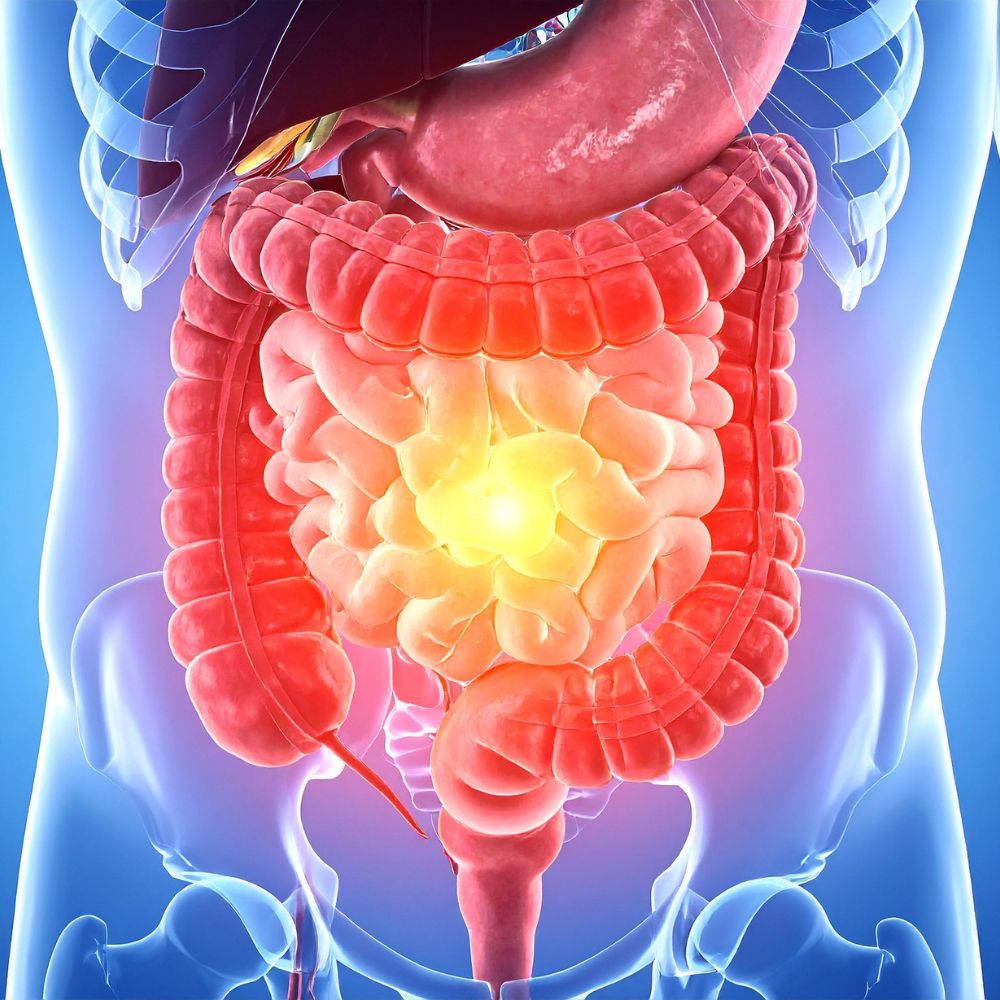
The gut microbiota refers to trillions of microorganisms that live mainly in the large intestine. These organisms include bacteria, archaea, and fungi. Each person hosts a unique microbial profile shaped by genetics, diet, environment, and lifestyle.
These microorganisms interact continuously with the human body. They help break down compounds that digestive enzymes cannot process. They also support nutrient metabolism and participate in biological signaling beyond digestion.
How the Gut Microbiota Develops
The gut microbiota begins forming early in life and continues to change over time. Early feeding practices influence this process. Diet, antibiotic exposure, and lifestyle choices also play an important role.
Research often links greater microbial diversity with digestive resilience and metabolic balance. In contrast, lower diversity appears alongside several digestive and metabolic disturbances. Scientists continue to study whether these links represent direct cause-and-effect relationships.
Functions of the Gut Microbiota Beyond Digestion
The gut microbiota supports more than digestion alone. Gut microorganisms interact with immune cells in the intestinal lining. Through this interaction, they help regulate immune responses.
Microbial fermentation also produces metabolites that influence energy balance and inflammation-related processes. These findings help explain why researchers describe the gut as a key interface between diet and overall health.
Diet as a Primary Modulator of the Gut Microbiota
Diet remains one of the most influential and modifiable factors affecting the gut microbiota. Scientific studies consistently show that plant-based dietary patterns provide fermentable substrates that support microbial activity.
Dietary fiber and prebiotics play a key role in this process. They serve as fuel for beneficial gut bacteria. This relationship is explored further in our related article Dietary Fiber and Prebiotics: Gut Health Explained, which explains how fermentation supports microbial balance.
In educational discussions about gut health, some readers explore how prebiotic fiber supplements are formulated to complement dietary intake. One example discussed from an informational perspective can be found here: GutOptim prebiotic fiber supplement overview.
Microbial Balance and Modern Dietary Patterns
Modern diets often contain less fiber than traditional eating patterns. Researchers note that this shift may influence microbial composition over time. These changes can affect long-term digestive and metabolic balance.
For this reason, nutrition science emphasizes consistent fiber intake. Long-term dietary habits matter more than short-term dietary changes.
Individual Variation and the Scientific Perspective
Gut microbiota composition varies greatly between individuals. Scientific literature focuses on patterns and associations rather than universal outcomes. A dietary approach that supports microbial balance in one person may not produce the same effect in another.
Researchers continue to study how personalized nutrition and lifestyle factors interact with the microbiome. Current evidence supports a holistic approach based on dietary quality, diversity, and consistency.
Final Considerations
The gut microbiota represents a dynamic ecosystem that connects diet with many aspects of human physiology. Scientific research suggests that fiber-rich foods and informed nutritional choices support microbial diversity and digestive balance.
As research evolves, the gut microbiota remains central to understanding how daily dietary habits influence long-term health.
This content is for informational and educational purposes only. It does not constitute medical advice, diagnosis, or treatment. Individual results may vary, and readers should consult a qualified healthcare professional before using dietary supplements.