
Healthy aging is not simply about getting older without disease. It refers to maintaining physical function, mental clarity, and overall well-being as the body naturally changes across the lifespan. While aging is inevitable, how people age varies widely, and research consistently shows that daily habits play a central role in this process.
Rather than focusing on age as a number, modern health education emphasizes long-term patterns that help preserve independence, resilience, and quality of life over time.
Understanding the Concept of Healthy Aging
Healthy aging describes the ability to adapt physically, mentally, and metabolically as the years pass. This includes maintaining mobility, cognitive function, and emotional balance while reducing the impact of age-related decline.
From a scientific perspective, aging reflects the cumulative effect of genetics, environment, and lifestyle choices. Although genetic factors influence longevity, lifestyle behaviors shape how the body responds to aging-related changes.
Physical Activity and Functional Health
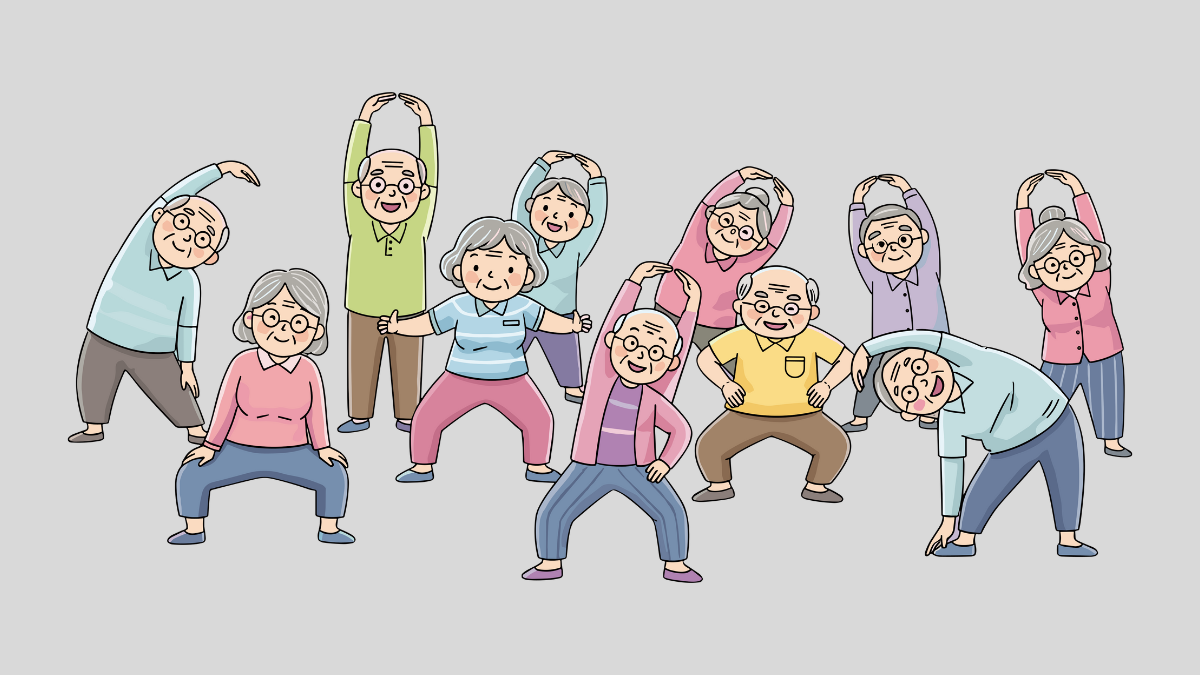
Regular movement is one of the strongest contributors to healthy aging. Physical activity supports muscle strength, balance, and joint mobility, all of which become increasingly important with age.
Even moderate activities such as walking, stretching, and light resistance training help maintain physical independence. Over time, consistent movement supports cardiovascular health and reduces the risk of functional limitations.
Nutrition and Aging Well
Nutrition plays a critical role in supporting healthy aging. As the body ages, changes in digestion, metabolism, and nutrient absorption may occur. Maintaining dietary quality helps ensure that essential nutrients remain available to support bodily functions.
Balanced dietary patterns that include whole foods, plant-based ingredients, and adequate protein intake contribute to energy stability and long-term vitality. Rather than short-term dietary changes, consistent eating habits support aging-related adaptation over time.
Metabolic Changes Across the Lifespan
Metabolism naturally shifts with age, influencing how the body processes energy and nutrients. Supporting metabolic stability becomes increasingly important for maintaining overall health and functional capacity.
Lifestyle habits such as regular physical activity, balanced nutrition, and consistent sleep patterns help the body adapt to metabolic changes. These habits work together to support long-term physiological balance.
Cognitive Health and Aging
Mental clarity and cognitive function are essential components of healthy aging. Memory, attention, and problem-solving skills benefit from routines that support brain function throughout life.
Engaging in mentally stimulating activities, maintaining social connections, and supporting physical health all contribute to cognitive resilience as people age. Cognitive health is closely linked to overall lifestyle quality rather than isolated interventions.
Emotional Well-Being and Social Connection
Emotional health plays a significant role in aging well. Social engagement, purpose, and stress management contribute to emotional resilience and overall life satisfaction.
Strong social connections and meaningful routines help support mental well-being and adaptability during different life stages.
A Long-Term Perspective on Healthy Aging
Healthy aging is not defined by perfection or strict rules. Instead, it reflects consistent, sustainable habits that support physical, cognitive, and emotional health over time.
Education around aging encourages individuals to focus on long-term patterns rather than short-term solutions. Small, repeated choices accumulate and shape how the body adapts across the years.
Learn More About Related Health Topics
For readers interested in exploring connected areas of health education, the following resources provide additional context:
Scientific Perspective
Research published by the National Institutes of Health highlights how lifestyle patterns influence aging-related health outcomes over time.
Final Considerations
Healthy aging reflects the combined impact of movement, nutrition, mental engagement, and emotional balance. While aging cannot be stopped, informed lifestyle choices help individuals maintain function, resilience, and quality of life throughout the lifespan.
This content is intended for educational and informational purposes only and does not replace professional medical advice, diagnosis, or treatment.