

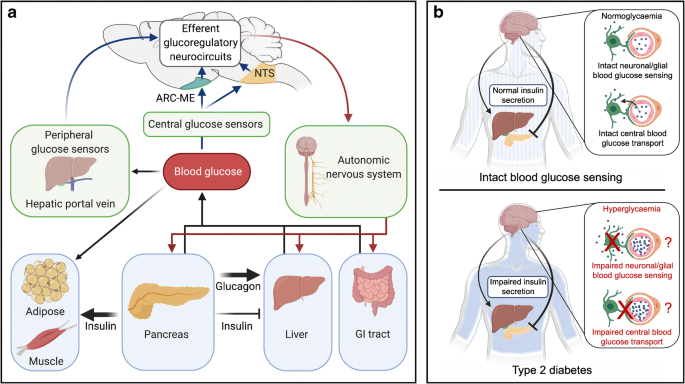
Blood sugar imbalance is often associated with clear warnings, such as intense thirst or sudden fatigue. However, in everyday life, the signs are rarely that obvious. For many people, the signals appear quietly, blending into routines and being mistaken for normal stress, aging, or lack of motivation.
Because these signs develop gradually, they are easy to ignore. Over time, this lack of awareness can make it harder to recognize patterns and take early action.
Understanding these subtle signals is not about alarm. It is about paying attention to what the body communicates long before problems feel serious.
When “normal” doesn’t feel quite right
Many people accept constant tiredness, brain fog, or energy crashes as part of modern life. Busy schedules, long workdays, and digital overload often provide convenient explanations. While these factors certainly play a role, they don’t always tell the full story.
Blood sugar fluctuations can influence how alert, focused, and emotionally balanced a person feels throughout the day. When glucose regulation becomes less stable, energy may rise and fall unpredictably — even without noticeable dietary changes.
Because these shifts happen slowly, they often become the new “normal.”
Subtle physical signs that often go unnoticed
Some of the most commonly overlooked signs include:
- Feeling shaky or irritable when meals are delayed
- Sudden cravings, especially in the afternoon
- Difficulty concentrating after eating
- Feeling unusually tired despite adequate sleep
- Mood changes that seem unrelated to external events
Individually, these signs may not seem concerning. Together, they can indicate that glucose levels are fluctuating more than expected.
The challenge lies in recognizing patterns rather than isolated moments.
Why these signs are easy to dismiss
Some of these subtle signals often appear before more noticeable changes, including unexpected blood sugar spikes.
Modern culture tends to normalize imbalance. Coffee replaces rest, snacks replace meals, and stress becomes routine. As a result, the body’s feedback is often overridden by quick fixes.
In addition, many people assume blood sugar concerns only apply to specific groups or conditions. This misconception prevents broader awareness and delays proactive lifestyle adjustments.
In reality, glucose regulation affects everyone — regardless of age or dietary habits.
Fact or Fake?
If you eat healthy, blood sugar imbalance is unlikely.
Fake.
While balanced nutrition is important, blood sugar regulation depends on more than food choices alone. Sleep quality, hydration, stress levels, physical activity, and meal timing all influence how glucose behaves in the body.
Even individuals with well-balanced diets may experience fluctuations if other lifestyle factors are overlooked.
The connection between daily habits and glucose balance
Blood sugar is not static. It responds constantly to internal and external signals. Poor sleep can alter hormone balance. Chronic stress can increase cortisol levels. Sedentary behavior can reduce how efficiently cells use glucose.
Over time, these factors interact. The body adapts, but not always optimally. This adaptation may manifest as subtle signs that are easy to ignore until they become more noticeable.
Awareness creates the opportunity for adjustment before imbalance feels disruptive.
Why early awareness matters
Recognizing early signals allows for gentle, sustainable changes. Instead of drastic interventions, small shifts in routine can support more stable energy and focus.
Regular meals, balanced macronutrients, consistent sleep schedules, hydration, and daily movement all contribute to metabolic balance. These habits work together, not in isolation.
Education empowers individuals to respond thoughtfully rather than reactively.
Supplements and informed curiosity
Some people explore nutritional supplements as part of a broader wellness approach. These products are often positioned to support metabolic processes alongside healthy habits.
Rather than viewing supplements as solutions, informed consumers treat them as tools — one piece of a larger picture. Understanding their role, ingredients, and intended use helps ensure realistic expectations.
Curiosity guided by education leads to better choices.
Learning how blood sugar supplements are designed can help guide informed decisions. This Gluco6 review offers an educational overview for those who want to understand more.
Listening to patterns, not just symptoms
Blood sugar imbalance rarely announces itself loudly. More often, it whispers through patterns that repeat day after day.
By paying attention to subtle cues and questioning what feels “normal,” people can gain deeper insight into their own metabolic rhythms.
Instead of asking, “Why do I feel off today?”, a more revealing question may be:
What patterns have been showing up quietly over time?