

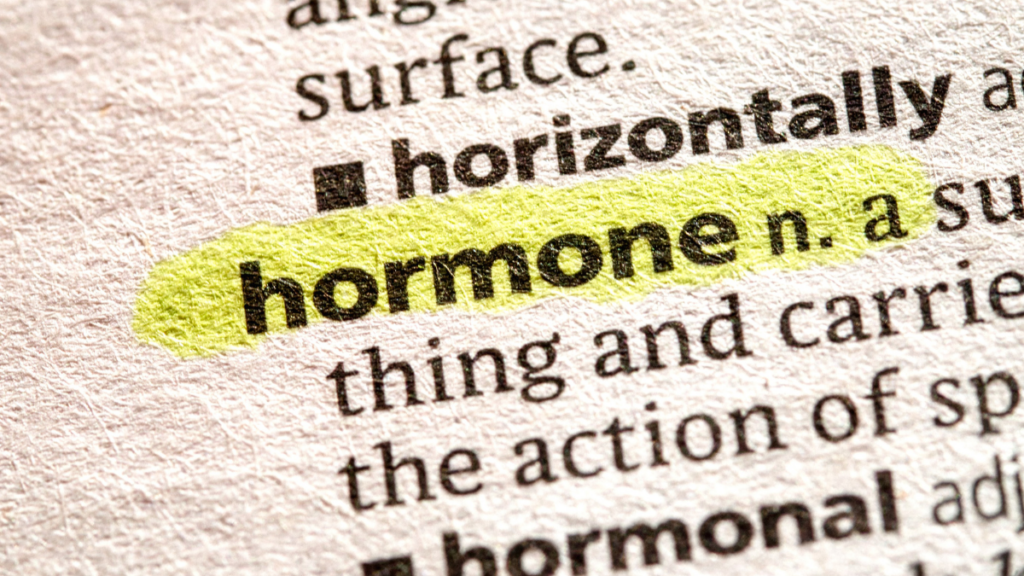
Hormonal balance plays a central role in overall health for both men and women. Hormones act as chemical messengers that regulate energy levels, metabolism, mood, sleep, appetite, reproductive health, and stress response. When these signals remain balanced, the body functions with greater stability and resilience. When imbalance occurs, even subtle shifts can affect daily well-being.
This Hormonal Balance page focuses on education. Its purpose is to explain how hormones work, what influences hormonal balance, and how lifestyle choices support long-term hormonal wellness for men and women.
Understanding Hormones and Their Role in the Body
Hormones travel through the bloodstream and deliver instructions to organs and tissues. They influence how the body uses energy, responds to stress, regulates sleep, and maintains reproductive and metabolic health.
Key hormone systems include insulin, cortisol, thyroid hormones, estrogen, progesterone, and testosterone. Each hormone plays a specific role, yet they work together as a connected network. Therefore, balance matters more than isolated hormone levels.
Understanding this system helps explain why lifestyle habits affect so many aspects of wellness at once.
Hormonal Balance in Men and Women
Although men and women share many hormones, their balance and fluctuations differ. Women experience cyclical hormonal changes related to menstruation, pregnancy, and menopause. Men experience more gradual shifts, often associated with age, stress, and metabolic health.
Despite these differences, both men and women benefit from the same foundational principles: stable blood sugar, adequate sleep, stress regulation, and balanced nutrition. Readers interested in metabolic foundations can explore our Metabolic Health section, which explains how energy regulation supports hormonal stability.
Hormonal balance does not mean perfection. It means adaptability and consistency over time.
Blood Sugar, Metabolism, and Hormonal Health
Blood sugar regulation strongly influences hormonal balance. Insulin, one of the body’s most important hormones, affects energy use, fat storage, and inflammation.
Frequent blood sugar spikes can strain hormonal systems and disrupt balance. In contrast, stable glucose levels support steadier hormone signaling. Readers can explore this relationship further in our Blood Sugar Education section, which explains how daily habits influence glucose and hormone interaction.
Metabolic health and hormonal wellness develop together, not separately.
Stress, Cortisol, and Hormonal Balance
Stress plays a powerful role in hormonal health. Cortisol, often called the stress hormone, helps the body respond to challenges. However, chronic stress can lead to prolonged cortisol elevation, which may disrupt sleep, metabolism, and other hormone systems.
Managing stress through routine, movement, rest, and recovery supports healthier hormonal patterns. Education emphasizes awareness rather than elimination of stress, since stress is a natural part of life.
Balanced stress response supports both mental clarity and physical wellness.
Nutrition and Hormonal Wellness
Nutrition provides the building blocks for hormone production. Adequate protein supports hormone synthesis, while healthy fats contribute to hormone structure and signaling. Micronutrients also play supporting roles in hormonal processes.
Rather than restrictive eating patterns, hormonal education encourages balanced meals and consistency. Readers interested in digestive foundations can explore our Fiber & Probiotics section, which explains how gut health and digestion influence nutrient absorption and hormonal signaling.
Nutrition supports hormones best when combined with stable routines.
Sleep, Recovery, and Hormone Regulation
Sleep allows the body to regulate hormone release and reset daily rhythms. Growth hormone, cortisol, and appetite-related hormones respond strongly to sleep quality.
Irregular sleep patterns can disrupt hormonal signaling and affect energy, mood, and metabolism. Consistent sleep routines support healthier hormonal balance for both men and women.
Recovery, not intensity alone, plays a key role in long-term wellness.
Hormonal Support and Educational Supplements
Lifestyle habits form the foundation of hormonal balance. However, some individuals also explore educational resources related to hormonal support supplements..
The focus remains on informed decisions and realistic expectations.
Hormonal Changes Across Life Stages
Hormonal needs evolve throughout life. Puberty, adulthood, pregnancy, menopause, and aging all involve hormonal shifts. Education helps normalize these changes and reduce confusion or unrealistic expectations.
Men and women benefit from understanding how life stages influence hormones and how supportive habits can ease transitions.
Awareness encourages proactive wellness rather than reactive thinking.
Evidence-Based Hormonal Health Information
Reliable hormonal education should rely on trusted institutions. For science-based information on hormones and endocrine health, readers can consult resources from the Endocrine Society, which provides research-backed education on hormonal systems and balance.
Using credible sources helps readers distinguish evidence-based guidance from misinformation.
Building Long-Term Hormonal Balance
Hormonal balance develops through consistency, not quick fixes. Balanced nutrition, regular movement, quality sleep, and stress awareness support hormonal systems over time.
Education empowers better decisions. By understanding how hormones interact with lifestyle factors, men and women gain confidence in navigating wellness information and supporting long-term health.
Hormonal Balance is not about controlling the body. It is about supporting the body’s natural ability to adapt and regulate itself.