

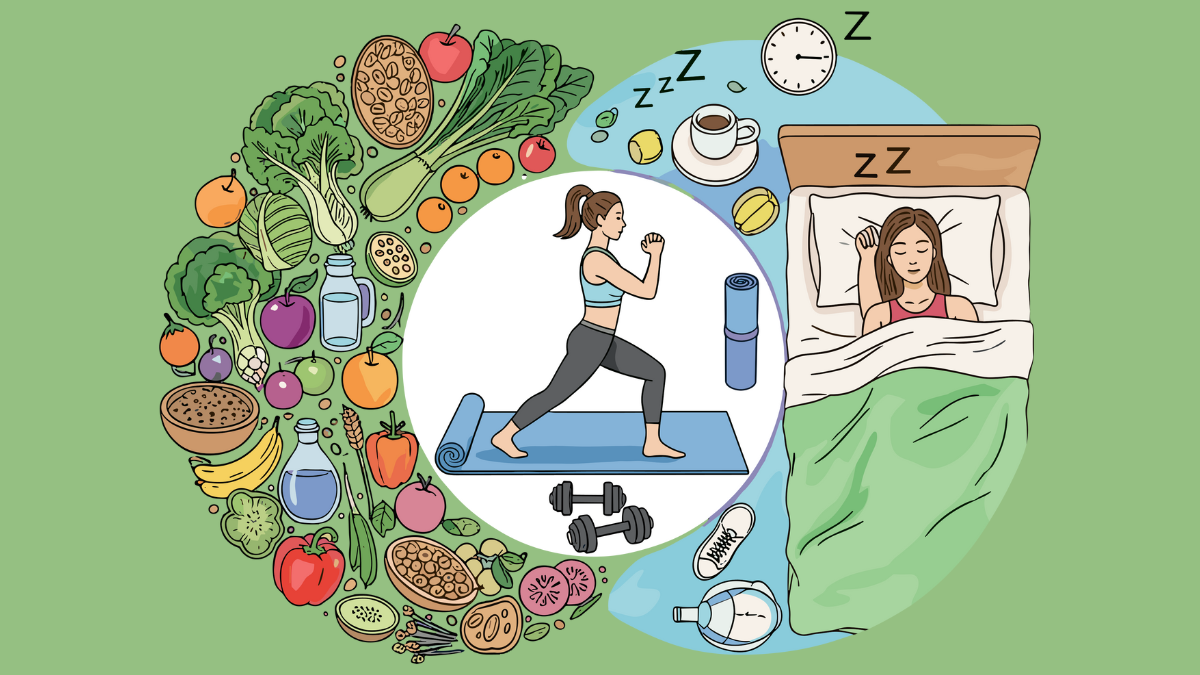
Lifestyle habits shape long-term health outcomes more consistently than short-term interventions. Daily choices related to nutrition, movement, sleep, and stress management accumulate over time and influence overall physiological balance.
Understanding how lifestyle habits interact with the body helps explain why health education emphasizes consistency, context, and long-term patterns rather than quick fixes.
What Are Lifestyle Habits
Lifestyle habits refer to repeated behaviors that become part of everyday routines. These habits include eating patterns, physical activity, sleep schedules, and how individuals respond to stress.
Over time, these behaviors influence metabolic function, energy regulation, and overall wellness. As a result, small, consistent habits often have a greater impact than occasional changes.
Nutrition as a Foundation for Long-Term Health
Nutrition plays a central role in long-term health. Dietary quality, food variety, and meal consistency influence digestion, metabolism, and energy balance.
Educational resources on YusHealth explore how nutrition supports foundational health processes. For example, the relationship between diet and digestive balance is explained in Dietary Fiber and Prebiotics: Gut Health Explained, which highlights how fiber-rich patterns support gut function over time.
Physical Activity and Daily Movement
Regular movement supports cardiovascular health, metabolic efficiency, and overall physical resilience. Rather than focusing on intensity alone, health education emphasizes consistent activity that fits individual lifestyles.
Walking, strength training, and flexibility-based movement all contribute to long-term health when practiced regularly and sustainably.
Sleep, Recovery, and Stress Management
Sleep quality and stress response strongly influence long-term health. Adequate sleep supports metabolic regulation, cognitive function, and recovery processes.
Similarly, stress management habits help regulate hormonal and nervous system responses. Over time, balanced sleep and stress patterns support greater physiological stability.
Lifestyle Habits and Metabolic Health
Lifestyle habits directly influence metabolic processes. Nutrition choices, activity levels, and sleep patterns affect how the body manages glucose and energy.
Foundational education on these connections is explored further in Blood Sugar & Metabolic Health, which explains how long-term habits support metabolic balance.
Lifestyle Habits and Overall Wellness
Wellness reflects the interaction between physical, mental, and metabolic factors. Lifestyle habits provide the framework through which these systems operate together.
Educational discussions around wellness are explored in Men & Women’s Wellness, which highlights how lifestyle patterns influence well-being across different life stages.
Scientific Perspective on Lifestyle and Health
Scientific research continues to examine how lifestyle behaviors influence long-term health outcomes. Studies focus on patterns rather than isolated actions, reinforcing the importance of consistency.
Peer-reviewed literature available through the National Institutes of Health discusses how lifestyle factors interact with metabolism, cardiovascular health, and overall physiological regulation.
Final Considerations
Lifestyle habits shape long-term health through repeated daily actions. Nutrition, movement, sleep, and stress management work together to influence overall balance.
Health education encourages informed, sustainable habits that align with individual routines and long-term goals.
This content is intended for educational and informational purposes only and does not replace professional medical advice, diagnosis, or treatment.