
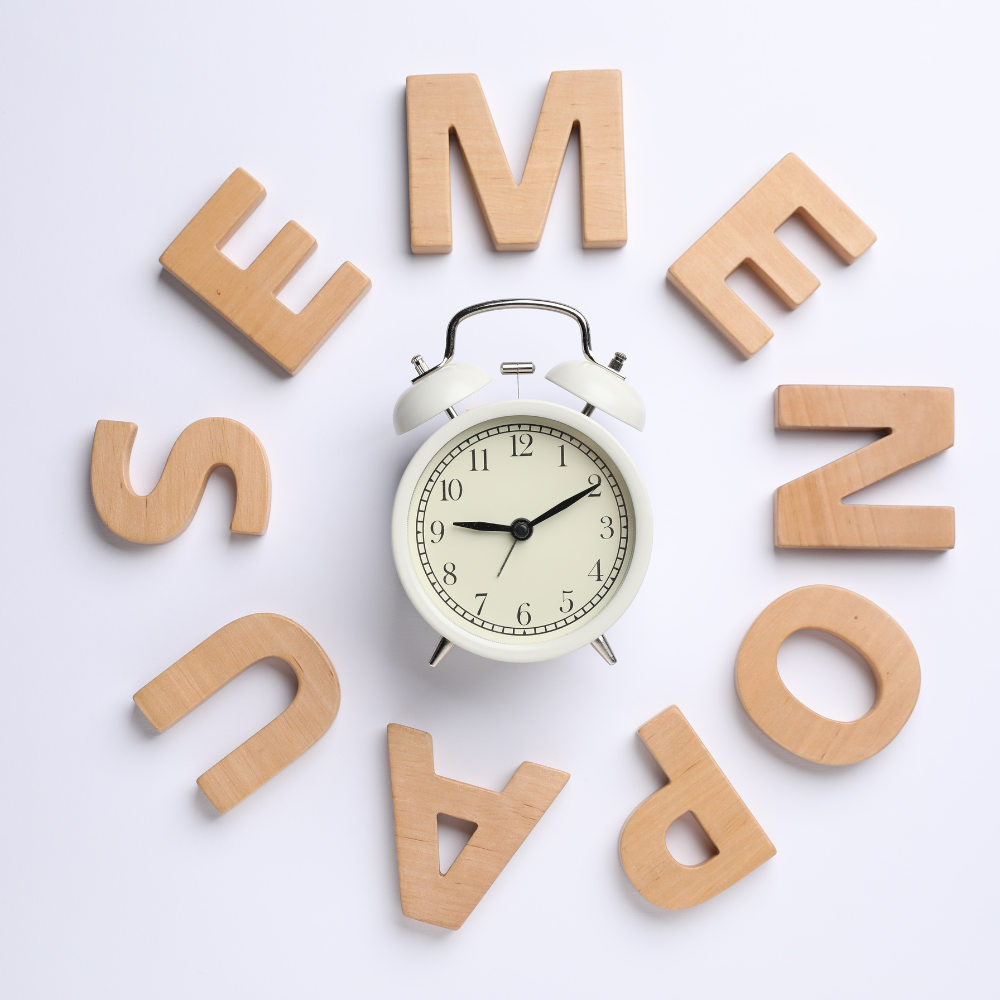
Menopause after 50 is no longer seen as an ending, but as the beginning of a more conscious and intentional phase of life. For the new 50+ generation, this stage represents a shift toward balance, self-awareness, and informed self-care. Rather than signaling loss, it often marks a meaningful transformation—one that invites alignment, clarity, and presence.
This transition is not only biological. It is cultural, emotional, and deeply symbolic. For many women, it is the moment when life becomes less about external expectations and more about conscious choice.
Menopause Is No Longer a Taboo
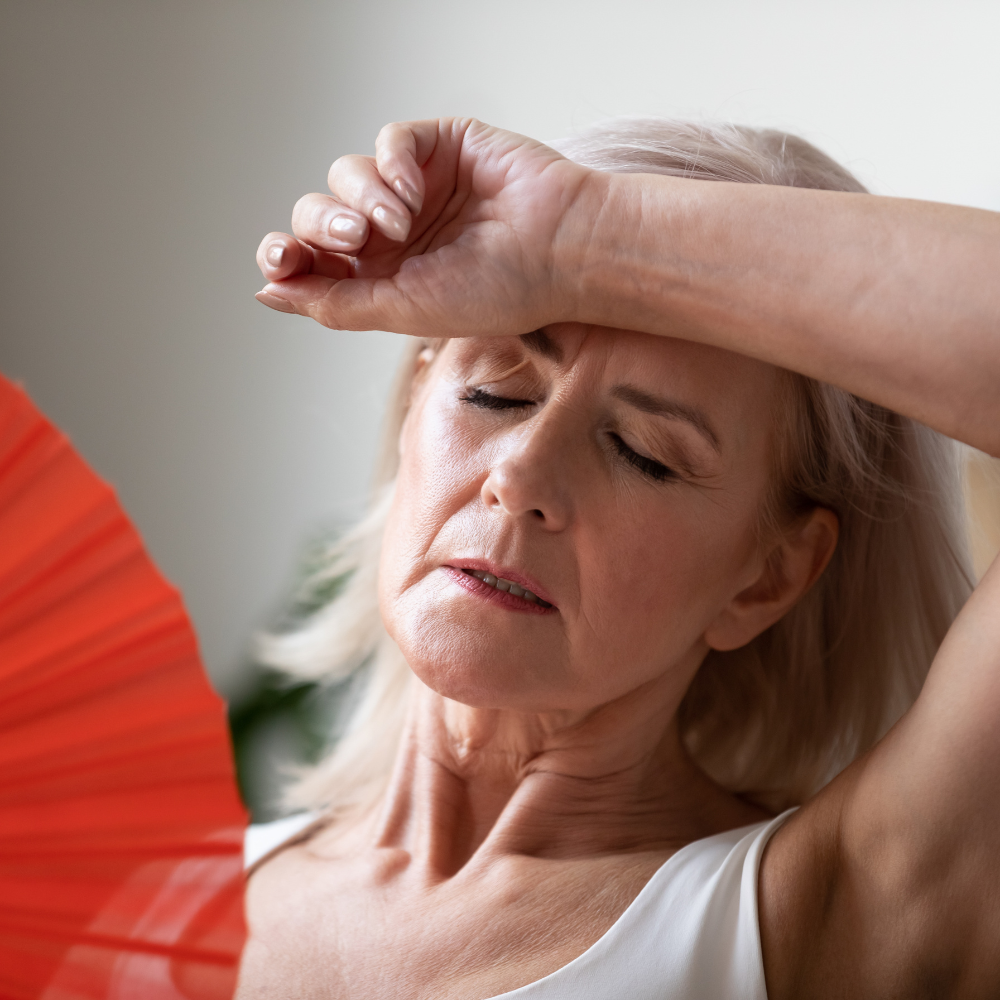
For decades, menopause was experienced in silence. Hot flashes, mood changes, sleep disturbances, and fluctuations in energy were often endured privately, with little guidance or open dialogue. Reliable information was limited, and many women felt isolated during this transition.
Today, the story has changed. Women are talking openly, sharing experiences, and seeking knowledge. Information has become a form of empowerment, allowing this life stage to be navigated with clarity instead of fear. Menopause is increasingly understood as a natural phase that deserves attention, respect, and informed care.
According to the North American Menopause Society, menopause is a natural life stage that may influence sleep, metabolism, and emotional well-being, reinforcing the importance of education and individualized support.
The New 50+ Generation and a New Perspective on Menopause
Women over 50 today are not slowing down—they are redefining pace. Many are building new careers, starting businesses, traveling, and reconnecting with passions that once took a back seat. This phase of menopause often coincides with a deeper desire to live better, not faster.
This generation understands something essential: energy does not come from youth alone. It comes from balance. Mindful nutrition, attention to digestive health, quality sleep, and stress management become priorities not out of obligation, but out of wisdom. This shift transforms menopause into a catalyst for intentional living and deeper self-connection.
Understanding Body Changes During Menopause
The menopausal transition brings real hormonal changes, and ignoring them is not strength—it is neglect. Fluctuations in estrogen may affect metabolism, mood, sleep patterns, and overall energy. Yet the modern narrative is not centered on loss. It is centered on adaptation.
As the body changes, many women develop greater self-awareness, learn to respect personal limits, release guilt around rest and boundaries, and gain clearer insight into what truly supports their well-being. This period encourages listening to the body and responding with care rather than criticism.
During this phase, many women also begin to explore supportive wellness options as part of a more informed self-care routine. You may find it helpful to read our educational article on women’s health and hormonal balance to better understand how lifestyle and wellness choices can support long-term balance.
Menopause as a Turning Point in Life
One of the greatest misconceptions of the past was treating menopause as a forced pause. Today, it is increasingly recognized as a turning point. This period often brings a renewed sense of clarity and autonomy.
Many women begin to prioritize health without guilt, say no without over-explaining, choose quality over excess, and invest in long-term well-being rather than quick fixes. This stage is not about reclaiming the past, but about stepping into the future with confidence, awareness, and purpose.
Active Longevity and Healthy Aging After Menopause
Aging does not mean disappearing. The new 50+ generation is showing that longevity can be active, engaged, and purposeful. Menopause fits naturally into this broader vision of healthy aging.
Rather than resisting change, women learn to work with their bodies, adjusting routines, expectations, and priorities. With the right information and supportive choices, this phase becomes a period of recalibration—aligning body, mind, and lifestyle with what truly matters now.
Conclusion: A New Beginning, Not an Ending
Menopause after 50 does not erase identity—it reveals it. It reveals priorities, boundaries, and inner strength. The new 50+ generation is not interested in denying time, but in living well within it.
Perhaps that is the true luxury of maturity: not the absence of change, but the freedom to move through it with awareness, dignity, and informed choice.