
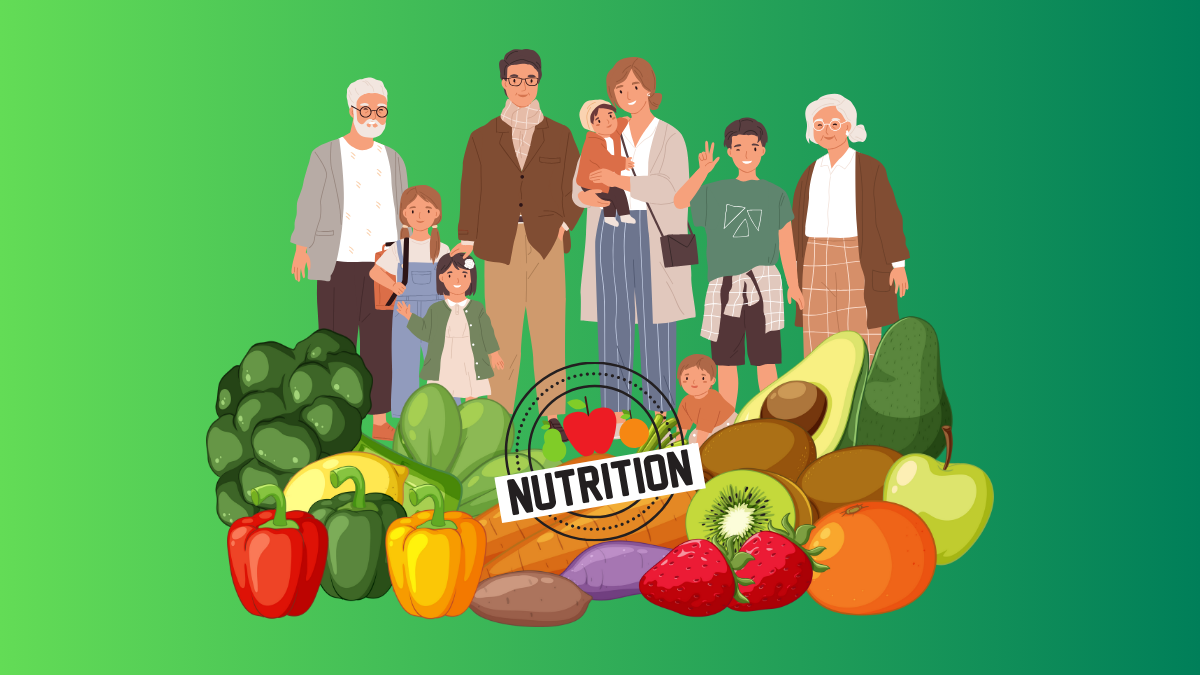
Nutrition needs change across the lifespan. From early adulthood to later years, the body adapts to different metabolic demands, hormonal patterns, and lifestyle factors. Understanding nutrition strategies for different life stages helps explain why long-term health education emphasizes flexibility, balance, and consistency rather than one-size-fits-all approaches.
Nutrition Needs in Early Adulthood
Early adulthood is often marked by higher energy demands and more active lifestyles. Nutrition strategies during this stage typically focus on balanced macronutrient intake, regular meal patterns, and adequate micronutrients that support metabolism and recovery.
Diet quality during early adulthood helps establish long-term habits that influence health later in life.
Nutrition During Midlife
Midlife brings gradual metabolic changes that can affect energy balance and nutrient utilization. Nutrition strategies during this stage often emphasize nutrient density, portion awareness, and dietary patterns that support metabolic stability.
Educational discussions around metabolism and nutrition are explored further in Blood Sugar & Metabolic Health, which explains how long-term dietary habits interact with metabolic processes.
Nutrition Strategies in Later Life
Later life nutrition focuses on maintaining nutrient adequacy while supporting digestion, muscle mass, and overall resilience. Protein intake, fiber-rich foods, and micronutrient balance become increasingly important.
Gut health plays a supportive role during this stage, as digestion and nutrient absorption may change over time. These relationships are explained in What Is the Gut Microbiota and Why It Matters for Overall Health and Dietary Fiber and Prebiotics: Gut Health Explained.
The Role of Lifestyle in Nutritional Needs
Lifestyle factors such as physical activity, sleep quality, and stress levels influence nutrition needs at every life stage. Nutrition strategies are most effective when they align with daily routines and long-term habits.
The connection between lifestyle patterns and overall well-being is discussed in Lifestyle Habits and Long-Term Health, which highlights how daily behaviors shape health outcomes over time.
Men and Women’s Nutrition Considerations
While many nutrition principles apply broadly, men and women may experience different nutritional needs across life stages due to hormonal and physiological differences. Educational content in Men & Women’s Wellness explores how nutrition fits within broader wellness frameworks for both genders.
Scientific Perspective on Nutrition Across Life Stages
Scientific research emphasizes that nutrition requirements evolve with age and lifestyle context. Studies focus on dietary patterns rather than isolated nutrients, reinforcing the importance of balanced and adaptable strategies.
Peer-reviewed literature available through the National Institutes of Health discusses how nutrition influences health outcomes across the lifespan, including metabolic and digestive considerations.
Final Considerations
Nutrition strategies for different life stages reflect the body’s changing needs over time. Balanced dietary patterns, informed choices, and consistency support long-term health more effectively than rigid or short-term approaches.
This content is intended for educational and informational purposes only and does not replace professional medical advice, diagnosis, or treatment.