
Many people researching health supplements notice something curious.
Instead of looking at just one product, they often compare several options side by side, wondering what they all seem to share.
This article explores what these supplements have in common, why they attract attention, and how people usually approach this kind of comparison — without promoting or recommending any medical treatment.
Why people compare supplements instead of choosing just one
When lifestyle changes alone don’t feel enough, many people start researching supplements online. What usually happens next is not an immediate purchase, but a comparison process.
People read articles, search forums, and look for patterns. They want to understand why certain supplements keep appearing in conversations and what connects them beneath the surface.
Understanding what these supplements have in common helps explain why this comparison stage exists.
The shared focus behind popular supplements
Although supplements may differ in branding and formulation, many of them share similar underlying themes.
A focus on metabolic routine
One common element is their connection to daily metabolic routines. Rather than presenting themselves as quick fixes, these supplements are often discussed in the context of long-term habits, consistency, and lifestyle support.
This focus aligns with how many people think about wellness after 40, when routines tend to matter more than extremes.
Repeated ingredient patterns
Another point many supplements have in common is the use of familiar ingredient categories. While formulations differ, people often notice recurring ingredient types being discussed across multiple products.
This repetition naturally raises curiosity and encourages further research rather than impulsive decisions.
Interest from the same audience
Many of the supplements people compare tend to attract similar audiences — often individuals interested in metabolic balance, blood sugar awareness, and long-term wellness habits rather than short-term results.
This overlap explains why people often look at several options before forming an opinion.
Why curiosity plays such a big role in supplement research
Curiosity is not a weakness in this process — it’s a protective instinct.
People want to understand:
- why a supplement is being discussed
- what makes it similar to others
- what distinguishes it without promises
That curiosity is exactly why articles exploring what these supplements have in common tend to attract engaged readers.
Examples of supplements people often research
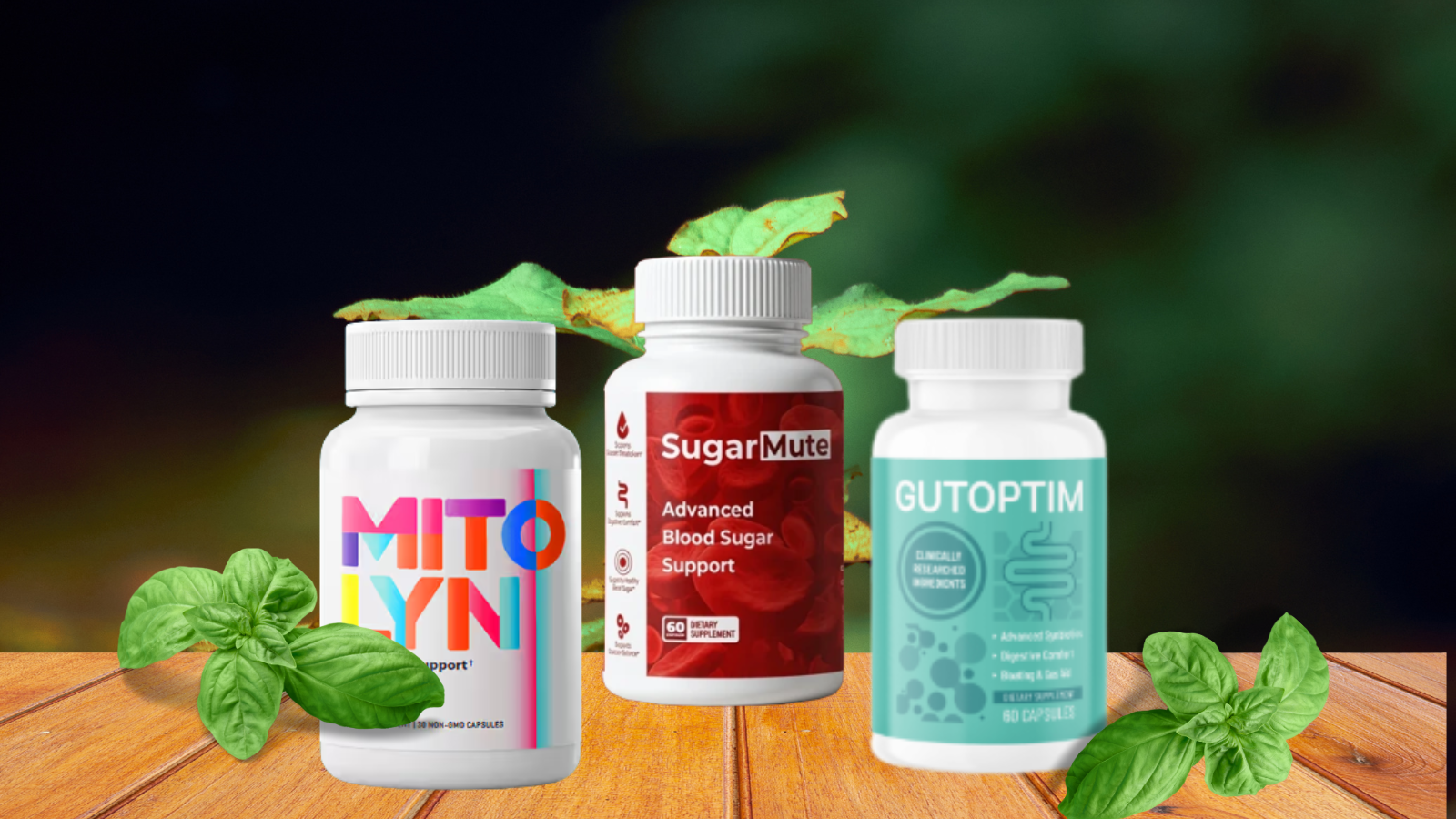
Below are examples of supplements that people frequently research when exploring metabolic or blood sugar support topics. These examples are provided for informational purposes only.
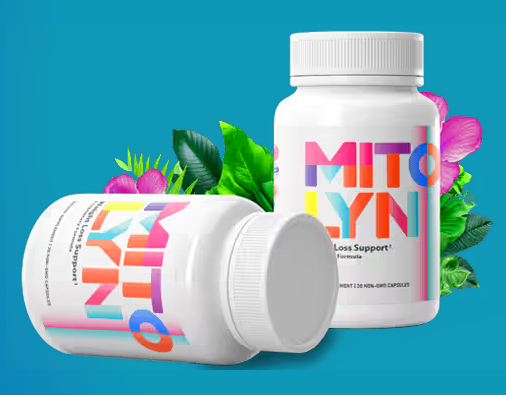
- Mitolyn – often researched by people focused on metabolic routine and energy balance
- SugarMute – explored by individuals interested in blood sugar awareness and daily habits
- GutOptim – commonly discussed by people looking into gut health and digestive balance
Each of these products is typically explored alongside others, not in isolation, which reinforces the importance of comparison-based research.
How people usually evaluate supplements
Rather than asking which supplement is “best,” most people focus on understanding patterns.
They look at:
- shared themes
- recurring ingredient types
- alignment with daily habits
- overall lifestyle compatibility
This evaluation process helps people feel more informed before making any personal decisions.
Understanding the bigger picture
Looking at what these supplements have in common offers more clarity than focusing on individual claims. It shifts attention from promises to patterns, from urgency to understanding.
This approach reflects how many people today prefer to explore wellness topics — carefully, thoughtfully, and with curiosity rather than pressure.
Final thoughts
Comparing supplements is not about finding a miracle solution. It’s about understanding why certain products keep appearing in conversations and what connects them beneath the surface.
👉 Learn more about:
By focusing on shared themes instead of isolated claims, readers can approach supplement research with more confidence and less confusion.
This content is for informational and educational purposes only. It does not constitute medical advice, diagnosis, or treatment. Individual results may vary, and readers should consult a qualified healthcare professional before using dietary supplements.