

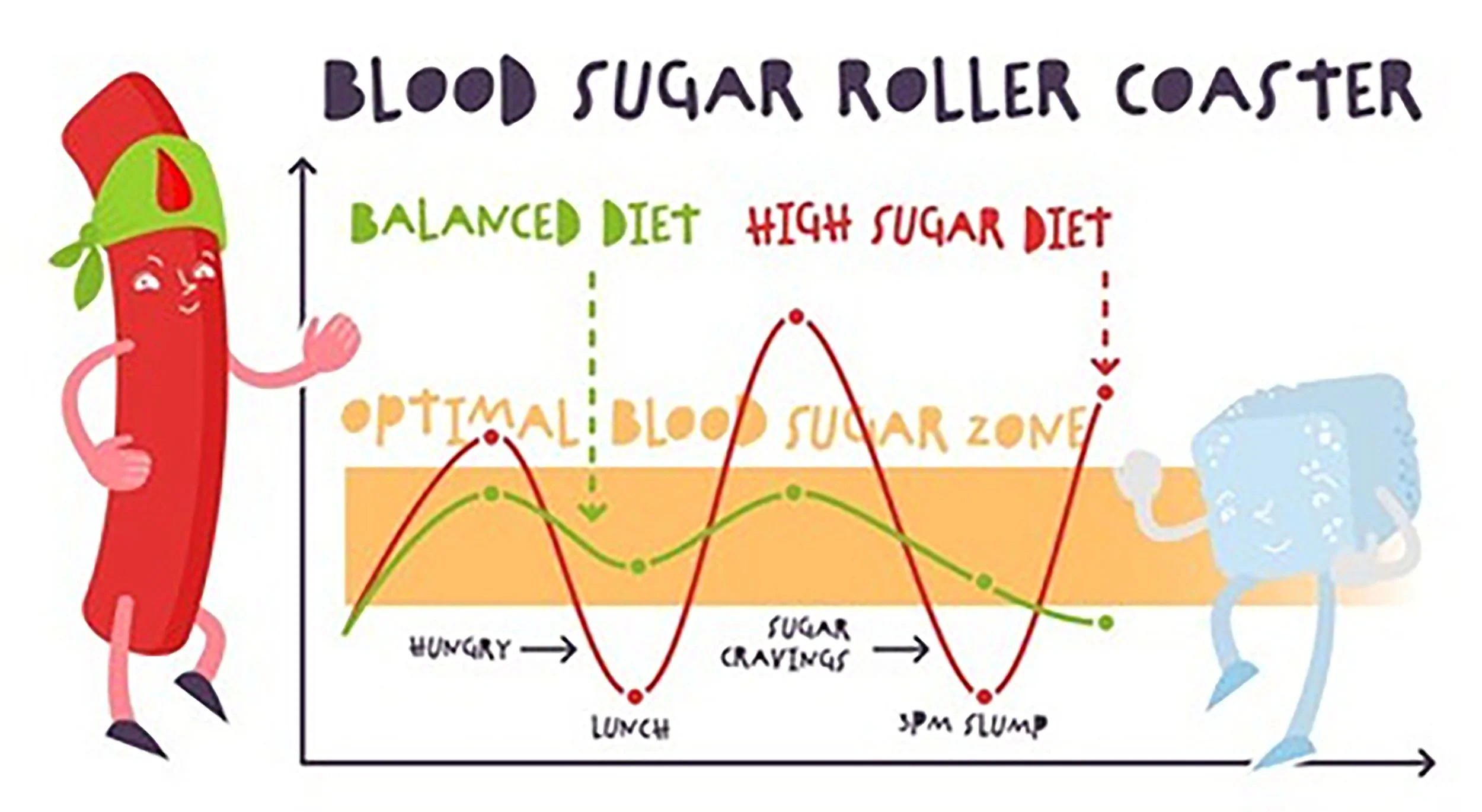
Most people associate blood sugar changes with obvious triggers, such as desserts, sugary drinks, or overeating. However, many experience sudden energy drops, mood swings, intense hunger, or mental fog even when their diet seems “normal.” These unexpected signals often raise confusion — and they usually appear without warning.
What many don’t realize is that blood sugar balance depends on much more than sugar intake alone. In fact, modern lifestyle habits quietly influence how the body manages glucose every single day. When these factors accumulate, the body may respond in subtle but noticeable ways.
Understanding why blood sugar spikes unexpectedly is not about fear or diagnosis. It is about awareness — learning how the body reacts to daily routines that often go unquestioned.
The modern routine and silent metabolic stress
Today’s lifestyle looks very different from that of previous generations. Long periods of sitting, irregular meal timing, high mental stress, poor sleep quality, and constant exposure to ultra-processed foods create a unique metabolic environment.
Even people who eat relatively well may unknowingly place stress on their glucose regulation system. Skipping meals, drinking too much caffeine, sleeping fewer than six hours, or living in a constant state of stress can influence how glucose behaves in the bloodstream.
Over time, the body adapts — but not always in a balanced way. These adaptations may result in fluctuations that feel sudden, even though they developed gradually.
How blood sugar regulation works (in simple terms)
After eating, carbohydrates are broken down into glucose, which enters the bloodstream. In response, the pancreas releases insulin, a hormone that helps transport glucose into cells where it is used as energy.
When this process works efficiently, energy levels remain stable. When it becomes less efficient, glucose may stay in the bloodstream longer or fluctuate more dramatically. This can lead to feelings of fatigue, irritability, cravings, or difficulty concentrating.
It’s important to note that this system is highly sensitive. Small changes in sleep, hydration, stress hormones, and physical activity can all influence how smoothly it functions.

Why spikes can happen without obvious causes
Unexpected blood sugar changes often occur because multiple small factors overlap at the same time. For example, a night of poor sleep combined with a stressful morning and delayed meals may be enough to disrupt balance.
Additionally, certain foods that are marketed as “healthy” can still cause rapid glucose responses, especially when consumed alone or in large portions. Smoothies, refined grains, and low-fiber snacks may digest faster than expected.
This is why many people feel confused: the trigger isn’t always visible or immediate.
Fact or Fake?
Blood sugar spikes only happen after eating sugar.
Fake.
While sugary foods can raise glucose quickly, they are far from the only factor involved. Stress hormones such as cortisol, dehydration, lack of sleep, prolonged inactivity, and highly processed foods can all influence blood sugar levels — even without sweets.
This misunderstanding often prevents people from recognizing early signs of imbalance and adjusting daily habits proactively.
The role of awareness and lifestyle choices
Learning how blood sugar behaves throughout the day allows people to make more informed decisions. Simple changes such as regular meal timing, balanced meals with fiber and protein, better sleep hygiene, hydration, and movement can support more stable energy levels.
Rather than focusing on extreme solutions, many experts emphasize consistency. Small adjustments maintained over time tend to be more effective than drastic changes that are difficult to sustain.
Education plays a key role here. When people understand how their bodies respond to daily routines, they are better equipped to recognize patterns and take action early.
Where supplements fit into the conversation
Some individuals choose to explore nutritional supplements as part of a balanced wellness routine. These products are often designed to support metabolic processes, complementing healthy habits rather than replacing them.
It’s important to approach supplements with realistic expectations and informed decision-making. Learning how different formulas are positioned, what ingredients they contain, and how they are intended to be used helps consumers make thoughtful choices.
Some people explore supplements designed to support blood sugar balance as part of a wellness routine. This Gluco6 review explains how one formula is positioned and what to consider.
Education always comes first.
Looking beyond quick explanations
Unexpected blood sugar spikes are rarely caused by a single factor. They are usually the result of interconnected lifestyle elements that accumulate over time.
By shifting the focus from quick fixes to understanding patterns, people gain clarity and confidence in managing their daily energy and overall metabolic health.
Instead of asking, “What went wrong today?”, a more helpful question might be:
What daily habits could be influencing my energy levels without me realizing it?