

Women’s health involves far more than isolated symptoms or life stages. It reflects a dynamic balance between hormones, metabolism, mental well-being, digestion, and lifestyle habits. From early adulthood through midlife and beyond, women experience natural physiological changes that influence energy levels, mood, focus, and overall resilience.
This Women’s Health page focuses on education. Its goal is to explain how daily habits, physical activity, nutrition, recovery, and informed choices support women’s wellness over time.
Understanding Women’s Health Across Life Stages
Women’s health evolves through distinct phases. Hormonal cycles, pregnancy, postpartum changes, perimenopause, and menopause all bring shifts that affect the body and mind. Although these stages differ, foundational wellness principles remain consistent.
Balanced nutrition, regular movement, quality sleep, and stress awareness support women’s health at every age. Education helps women recognize patterns and adapt habits instead of chasing quick fixes.
Wellness grows through consistency and flexibility, not perfection.
Physical Activity and Women’s Wellness
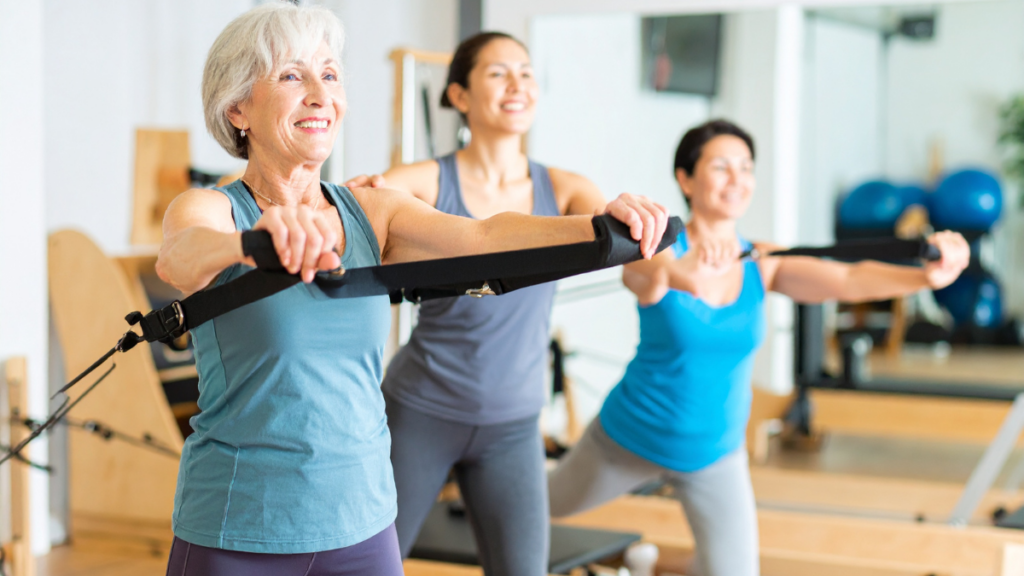
Regular movement plays a central role in women’s health. Strength training supports muscle tone, bone density, and metabolic balance. Cardiovascular activity supports heart health, circulation, and endurance. Gentle movement such as walking, stretching, or yoga supports recovery and stress regulation.
Rather than extremes, women benefit most from balanced routines that combine strength, mobility, and rest. Consistency matters more than intensity, especially during periods of hormonal change.
Movement also supports mental clarity and emotional well-being.
Nutrition and Energy Support for Women
Nutrition strongly influences women’s wellness. Adequate protein supports muscle maintenance and recovery. Fiber-rich foods support digestion, metabolic balance, and gut health. Healthy fats contribute to hormone production and nutrient absorption.
Instead of restrictive diets, women benefit from balanced meals and regular eating patterns. Readers interested in digestive foundations can explore our Fiber & Probiotics section, which explains how gut health supports nutrient absorption and overall wellness.
Nutrition works best when it supports daily routines and energy needs.
Mental Health, Stress, and Emotional Balance
Mental and emotional health form an essential part of women’s wellness. Stress, workload, and emotional demands can affect sleep, focus, and energy levels.
Education encourages awareness and self-regulation rather than avoidance of stress. Practices such as structured routines, physical activity, mindfulness, and adequate rest help support emotional balance over time.
Mental clarity strengthens resilience and supports long-term consistency.
Hormonal Balance and Women’s Health
Hormones influence nearly every aspect of women’s health, including energy, mood, metabolism, and sleep. Estrogen, progesterone, insulin, cortisol, and thyroid hormones interact closely with lifestyle habits.
Stable blood sugar, regular sleep, and stress management support healthier hormonal signaling. Readers interested in this relationship can explore our Hormonal Balance section, which explains how lifestyle choices influence hormone regulation for both women and men.
Hormonal wellness reflects daily habits more than isolated interventions.
Activities That Support Women’s Wellness
Daily activities shape long-term health. Structured exercise, outdoor movement, creative pursuits, and social connection all contribute to well-being. Purposeful activities support emotional health, while recovery practices support physical balance.
Education encourages women to choose activities that fit their routines and energy levels. Sustainable habits support wellness far more effectively than short-term intensity.
Recovery activities such as stretching, relaxation, and rest days play a vital role.
Supplements in Women’s Health Education
Lifestyle habits form the foundation of women’s health. However, some women also explore supplements as part of a broader educational approach to wellness.
In women’s health education, supplements usually appear as complementary tools rather than primary solutions. They are typically discussed alongside nutrition, physical activity, sleep, and stress management. Readers who want to understand how supplements are framed within this context can explore a women’s health supplement review, which explains how these products are positioned in wellness education.
The focus remains on informed choices and realistic expectations.
Preventive Care and Long-Term Wellness
Preventive care plays an important role in women’s health. Routine check-ups, awareness of metabolic and hormonal markers, and proactive lifestyle choices support long-term outcomes.
Education helps women focus on sustainability rather than reactive health decisions. Consistent habits support adaptability through life’s transitions.
Health develops through awareness, not urgency.
Evidence-Based Women’s Health Information
Reliable women’s health education should rely on trusted sources. For science-based information on women’s wellness, hormones, and aging, readers can consult resources from the Office on Women’s Health, which provides educational material on women’s health topics across life stages.
Using credible sources supports informed decisions and long-term trust.
Building a Sustainable Women’s Health Routine
Women’s health thrives on balance, structure, and adaptability. Regular movement, balanced nutrition, quality sleep, and emotional awareness support both physical and mental well-being.
This Women’s Health page exists to support education and clarity. By understanding how lifestyle habits, activities, and supplements fit together, women gain confidence in building routines that support long-term wellness.
Women’s health is not about doing more. It is about supporting the body’s ability to adapt, recover, and thrive over time.