

Women’s hormonal balance plays a central role in long-term health and well-being. Hormones influence energy levels, mood, sleep quality, metabolism, and emotional stability throughout every stage of a woman’s life. Instead of focusing only on symptoms, understanding women’s hormonal balance encourages awareness, better choices, and a more respectful relationship with the body.
As women move through different phases of life, hormonal patterns naturally shift. For this reason, health decisions become more effective when they align with these changes rather than attempt to suppress them.
What Women’s Hormonal Balance Really Means
Hormonal balance does not mean keeping hormone levels perfectly stable at all times. Instead, it refers to the body’s ability to adapt smoothly to internal and external changes. Hormones fluctuate in response to stress, sleep, nutrition, movement, and life transitions.
Therefore, balance depends less on control and more on regulation. When women understand how their bodies respond to daily habits, they gain clarity and confidence in managing their health over time.
Hormonal Health and Daily Habits in Women
Hormones respond directly to everyday choices. For example, consistent sleep supports hormonal rhythms, while chronic stress places additional pressure on cortisol regulation. Likewise, nutrition and movement influence metabolic and emotional balance.
As a result, women often experience better well-being when they prioritize routines that support recovery and stability. Rather than relying on extreme approaches, small and consistent habits create meaningful improvements.
Hormonal Changes and Women’s Health Across Life Stages
Throughout life, women experience several hormonal transitions. During midlife in particular, changes in energy, sleep, mood, and metabolism become more noticeable. However, these shifts do not signal failure or decline.
Instead, they highlight the body’s need for adjustment. When women recognize hormonal transitions as signals, they can respond proactively. This perspective transforms confusion into understanding and discomfort into information.
As discussed in our article Menopause After 50: The Beginning of a More Conscious Life, education plays a key role in navigating these transitions with clarity and confidence.
Supporting Women’s Hormonal Balance Through Awareness
Awareness forms the foundation of hormonal support. By observing how the body reacts to stress, food, rest, and movement, women gather valuable feedback. Over time, this awareness guides better decisions and reduces frustration.
Additionally, many women choose to explore supportive wellness approaches as part of a broader self-care strategy. For those seeking reliable information, we explain common considerations in our educational guide Menopause Support Supplements: What You Should Know, always with a focus on informed and responsible choices.
A Holistic Approach to Women’s Health and Hormonal Well-Being
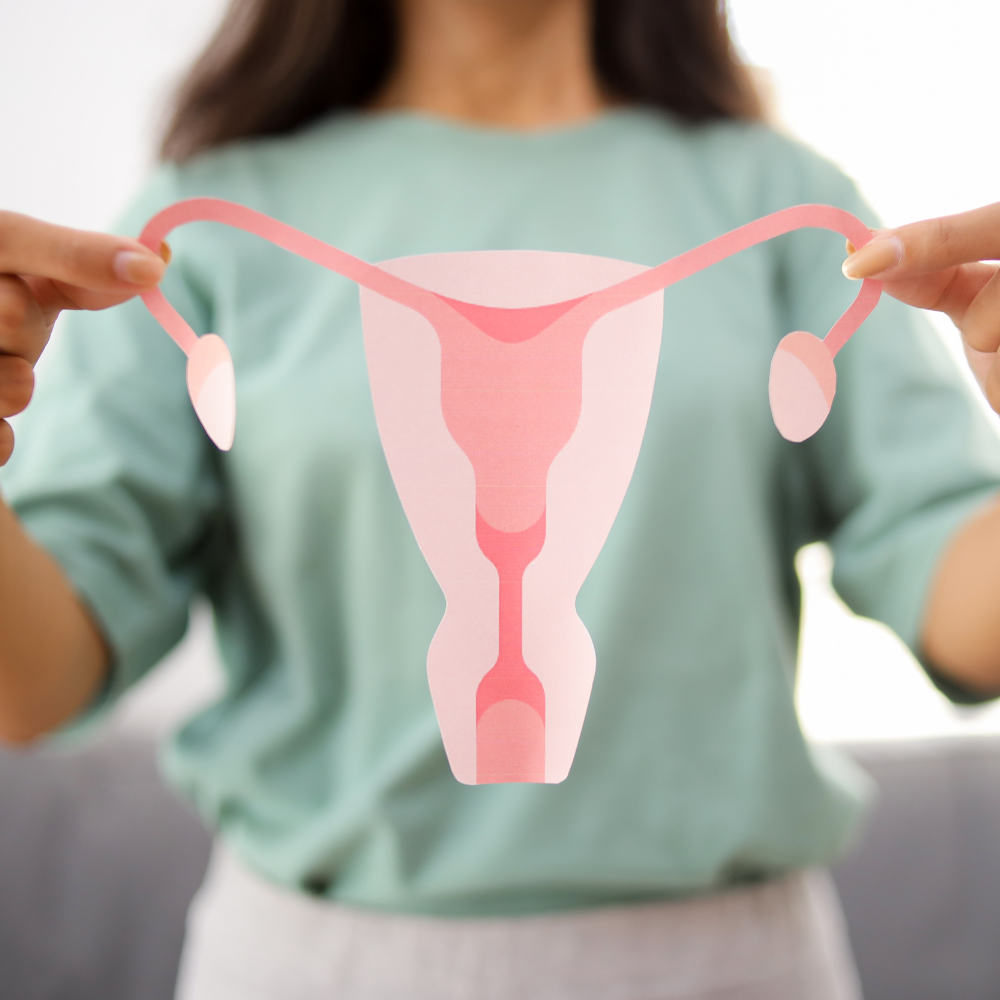
Women’s health functions as an integrated system. Physical energy, emotional balance, and mental clarity influence one another continuously. When one area receives attention, others often improve as well.
Consequently, a holistic approach encourages long-term resilience rather than short-term fixes. By addressing lifestyle, mindset, and awareness together, women strengthen their overall well-being, especially during periods of transition.
Making Informed Choices for Women’s Hormonal Health
Today, information is widely available, yet clarity remains essential. When women understand how hormonal balance works, they ask better questions and evaluate options more thoughtfully.
Ultimately, informed choices support autonomy. Instead of following rigid rules, women learn to adapt strategies that align with their personal needs, values, and life stage.
Conclusion: Balance as an Ongoing Relationship
Women’s hormonal balance is not a final destination. Rather, it represents an ongoing relationship with the body—one that evolves with time, experience, and self-awareness. As women deepen this relationship, health becomes more intuitive and less reactive.
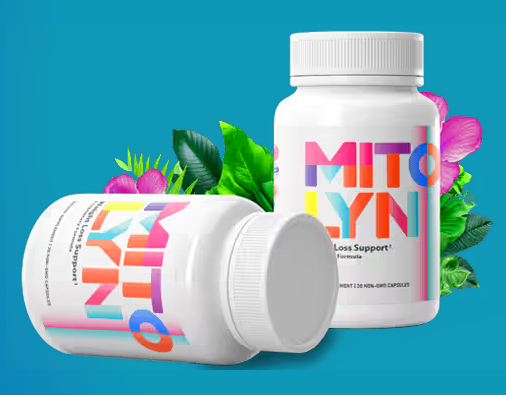
In addition to lifestyle awareness and healthy routines, some women choose to learn more about supplements that focus on cellular energy and metabolic support. One example often discussed is Mitolyn. To understand how this type of supplement is commonly presented and when it may be considered, you can explore our educational overview here: Mitolyn supplement overview.
In the end, balance does not require eliminating change. Instead, it grows from the ability to move through change with understanding, consistency, and respect.
This content is for informational and educational purposes only. It does not constitute medical advice, diagnosis, or treatment. Individual results may vary, and readers should consult a qualified healthcare professional before using dietary supplements.